If your panel runs hot, trips, or belongs to an outdated brand, you don’t want guesswork—you want a safe, code-compliant replacement that won’t wreck your week or your budget. Let’s cut the noise and get you a plan that makes sense.
This guide explains Electrical Panel Replacements for real homes—not labs. You’ll see when a replacement beats repair, what affects Electrical panel replacements in la cost, the difference gear choices make. We’ll also cover permit/inspection basics, EV-ready planning, and clear next steps with Farashi Electric. If you want the Best electrical panel replacements in la without surprises, start here.
What is a Panel Replacement—and do you actually need one?
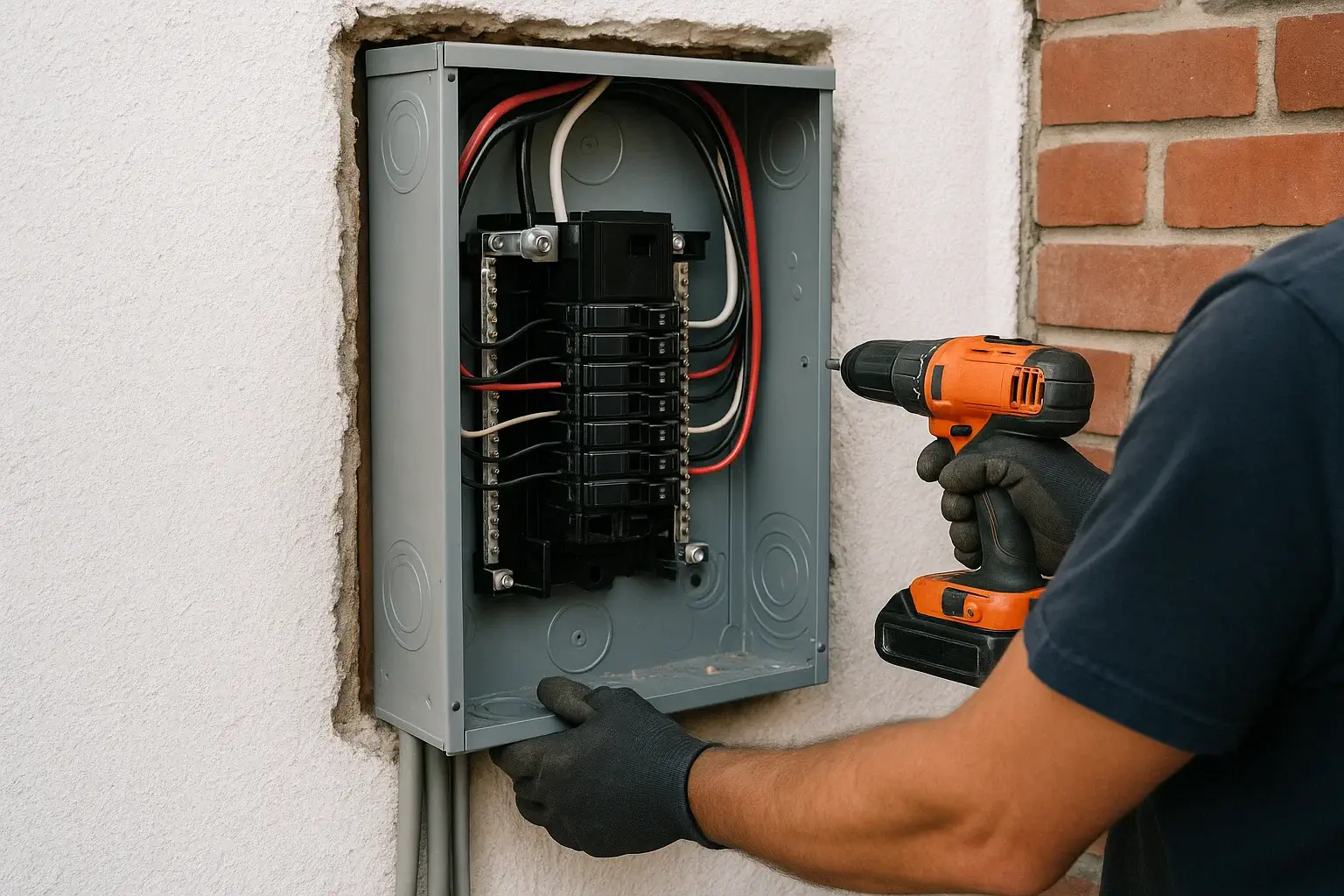
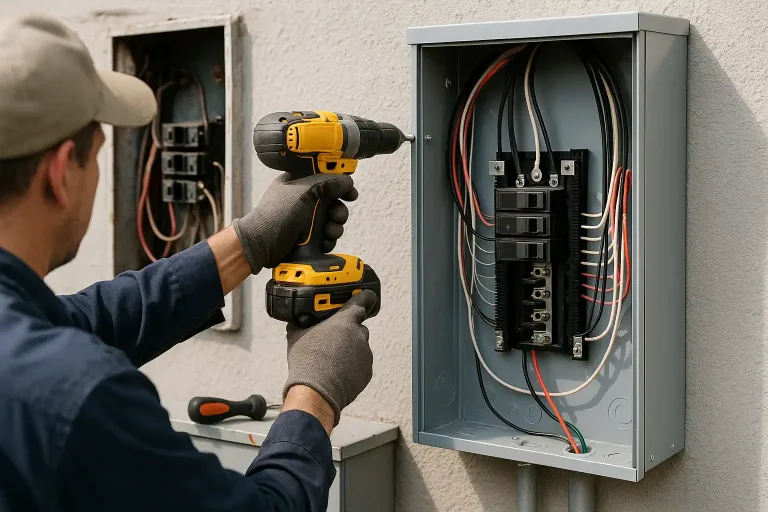
Electrical Panel Replacements mean swapping the existing service equipment (main panel and/or meter-main) with a modern, listed assembly that meets today’s load and code. You likely need it if:
The bus is pitted/burned, breakers won’t hold, or the enclosure is rusted/wet.
The panel brand has known safety issues (e.g., certain legacy models).
You’re electrifying—EV chargers, heat pump HVAC, induction range, or an ADU build.
There’s no space for new circuits, or labeling/neutral/grounding is a mess.
Your choice impacts price, layout, inspections, and future projects.
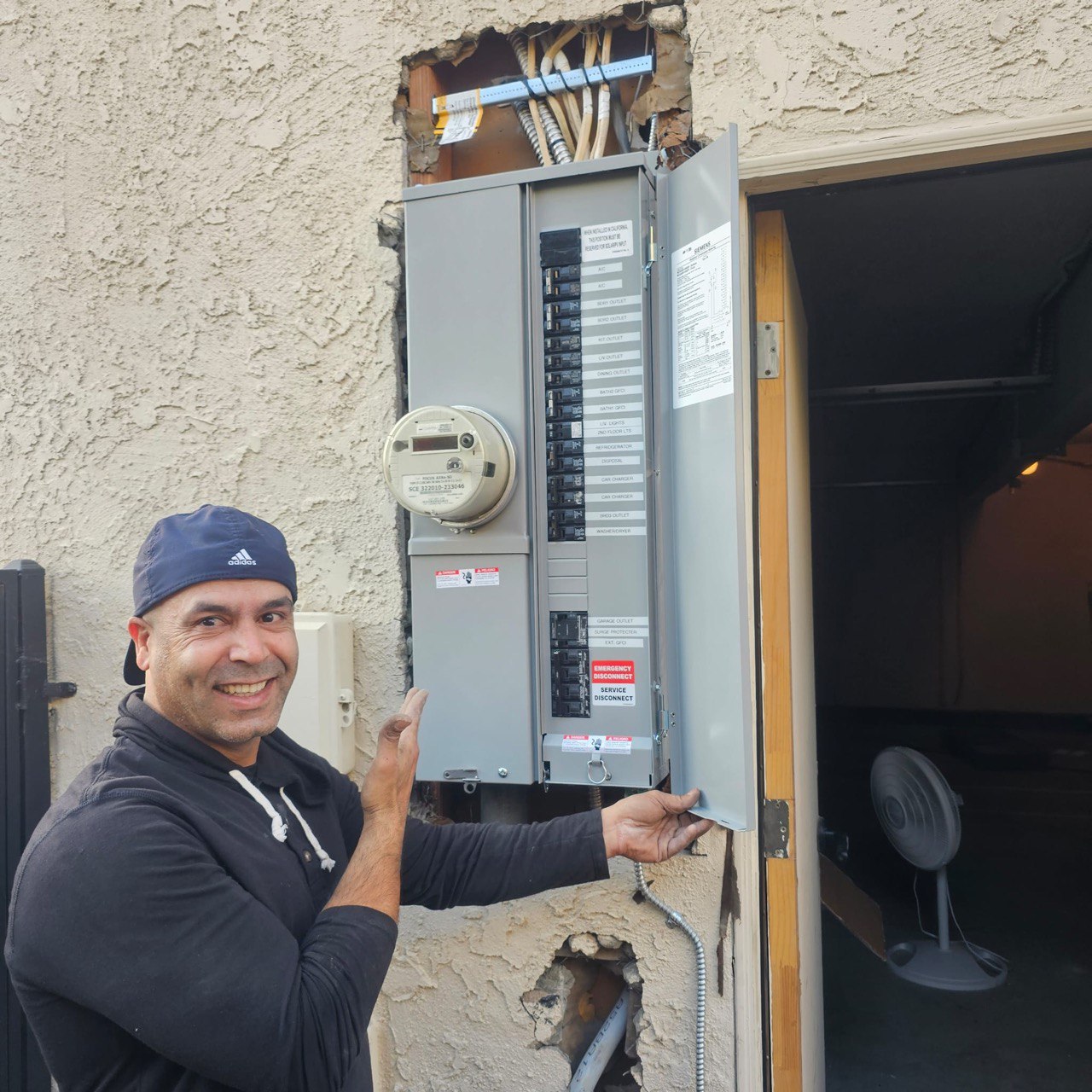
Meter-Main Combo: Meter socket + main breaker(s) in one cabinet. Cleaner façade, fewer boxes, and often faster inspections. Handy when the old layout violates clearances or you’re moving gear.
Separate Meter + Main Breaker Panel: Useful if the meter must stay, or when site geometry favors two enclosures. Flexible for phased projects.
Service path: Overhead vs. Underground Service Upgrades
Overhead: Typically quicker and more budget-friendly for panel swaps; no trenching.
Underground: Best for aesthetics and avoiding aerial hazards; adds trench/conduit and coordination steps.
Even if you’re only replacing the panel, existing service type still shapes scope and timeline. That’s why Overhead vs. Underground Service Upgrades belongs in the conversation.
What affects Electrical panel replacements in la cost?
No two homes are identical, but these factors move the number:
Amperage & brand 100A vs 200A, standard vs smart-ready panels, surge protection, AFCI/GFCI requirements.
Layout & relocation Same spot vs new location to satisfy clearance, wall repair, conduit routing.
Service type & utility coordination Overhead mast/point-of-attachment vs underground trench/inspection.
Add-ons EV-ready circuits, whole-home surge, labeling/cleanup, new grounding electrode work.
Tip: Ask for itemized estimates (equipment / labor / permit / utility). That’s our standard at Farashi Electric—because line-items build trust.
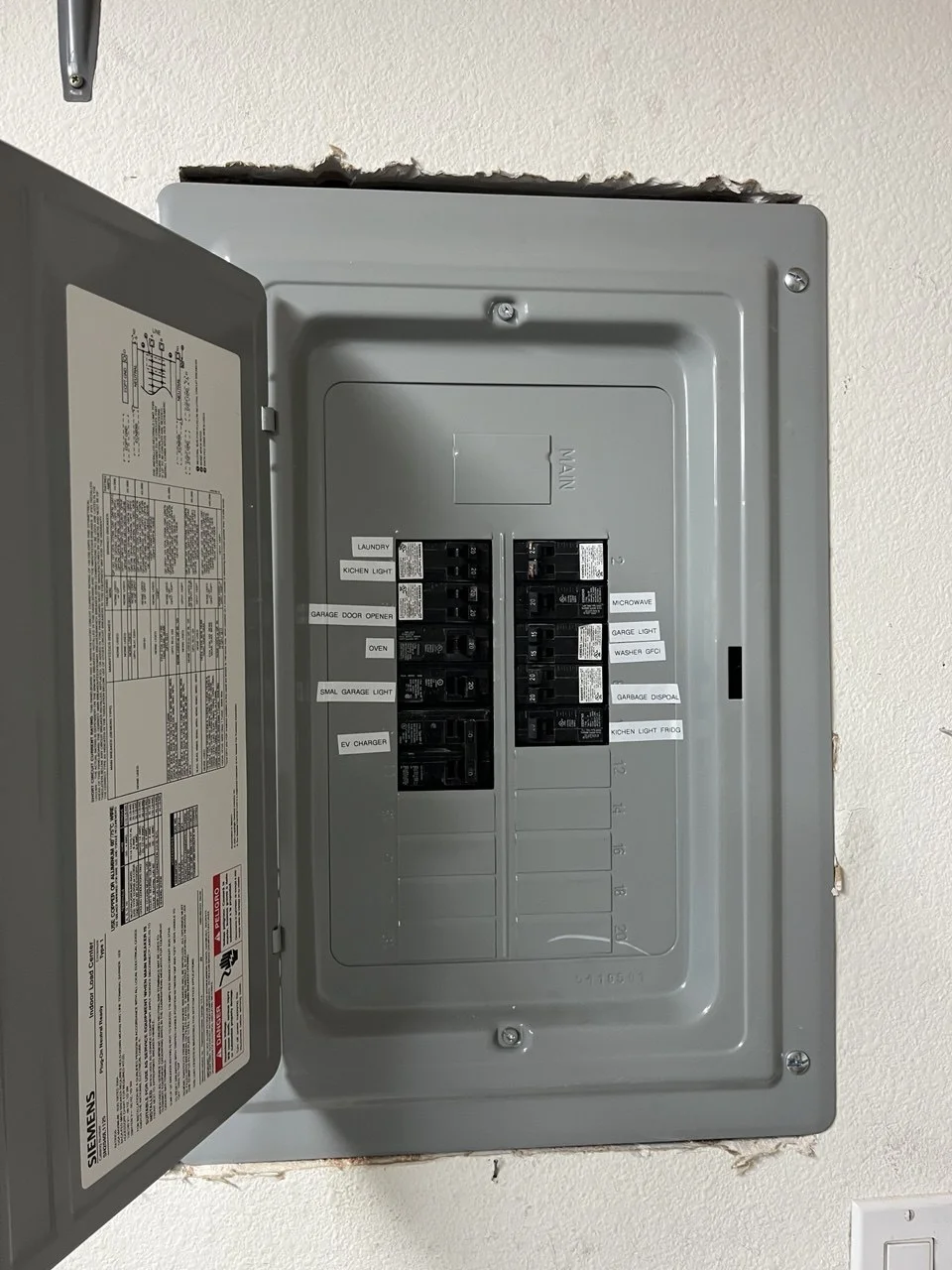
If your panel is already showing warning signs—hot breakers, scorch marks, buzzing under load, or an outdated brand your insurance keeps side-eyeing—the safest move is a properly planned replacement, not another band-aid fix. With Farashi Electric, you can text us clear photos of your existing panel, meter, and service path (overhead or underground), plus a quick list of big loads like EV chargers, heat pump HVAC, or an ADU. We’ll run a real load calculation, confirm whether 100A, 200A, or larger makes sense, coordinate with LADWP/SCE, pull the right permits, and give you an itemized quote before we touch a screw.
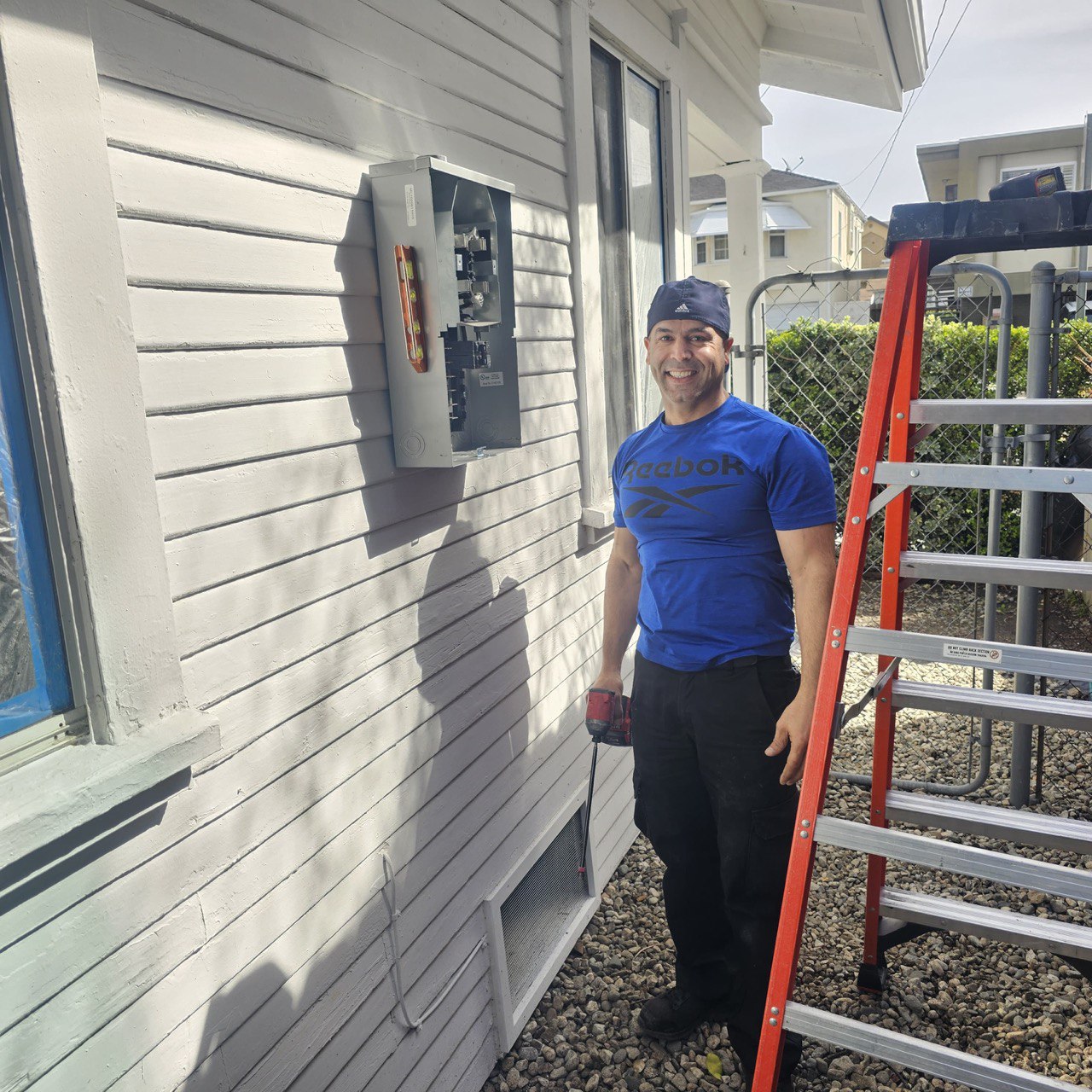
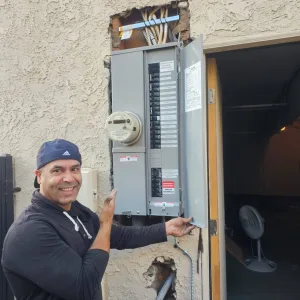
Our Completed Panel Replacement Projects
Bahram Farashi
C-10 Licensed Electrician (CA Lic. #1102687) — 10+ years installing residential/commercial Electrical Services.