Surge Protection Services in Los Angeles
If you’re considering whole-home surge protection for your Los Angeles property, this guide explains how surge protection works, where the equipment is installed, what affects cost, and when it can help protect appliances, HVAC systems, EV chargers, and other sensitive electronics.
Farashi Electric provides surge protection services for homes, small businesses, rental properties, and HOAs, with each installation planned around the condition of the electrical panel, grounding, and existing system.
Whether you’re comparing surge protection services la, or looking for guidance on protecting sensitive electronics, this page will help you make an informed decision.
Jump to Section
ToggleOne Storm, One Surge… and Multiple Devices Stop Working
Imagine a typical evening at home. The lights flicker briefly during a storm or utility event and everything appears normal again within seconds. Later that night, your refrigerator starts showing error codes, your Wi-Fi router won’t reconnect, and your smart thermostat suddenly stops responding.
This is a common example of how a power surge can affect modern electrical equipment.
Today’s homes and small businesses rely on far more than lights and outlets. Appliances, internet equipment, EV chargers, HVAC control boards, security systems, LED lighting, and smart home devices all contain sensitive electronic components that can be damaged by voltage spikes.
A major surge can cause immediate failure, while smaller surges often create gradual wear that shortens the lifespan of expensive equipment over time.
These events—commonly called surges or transients—are brief increases in voltage that can damage, degrade, or permanently destroy electronic devices. In many cases, there is no visible sign of damage. Instead, equipment begins to fail prematurely, behave unpredictably, or require replacement much sooner than expected.
Surge Protection Installation in Los Angeles
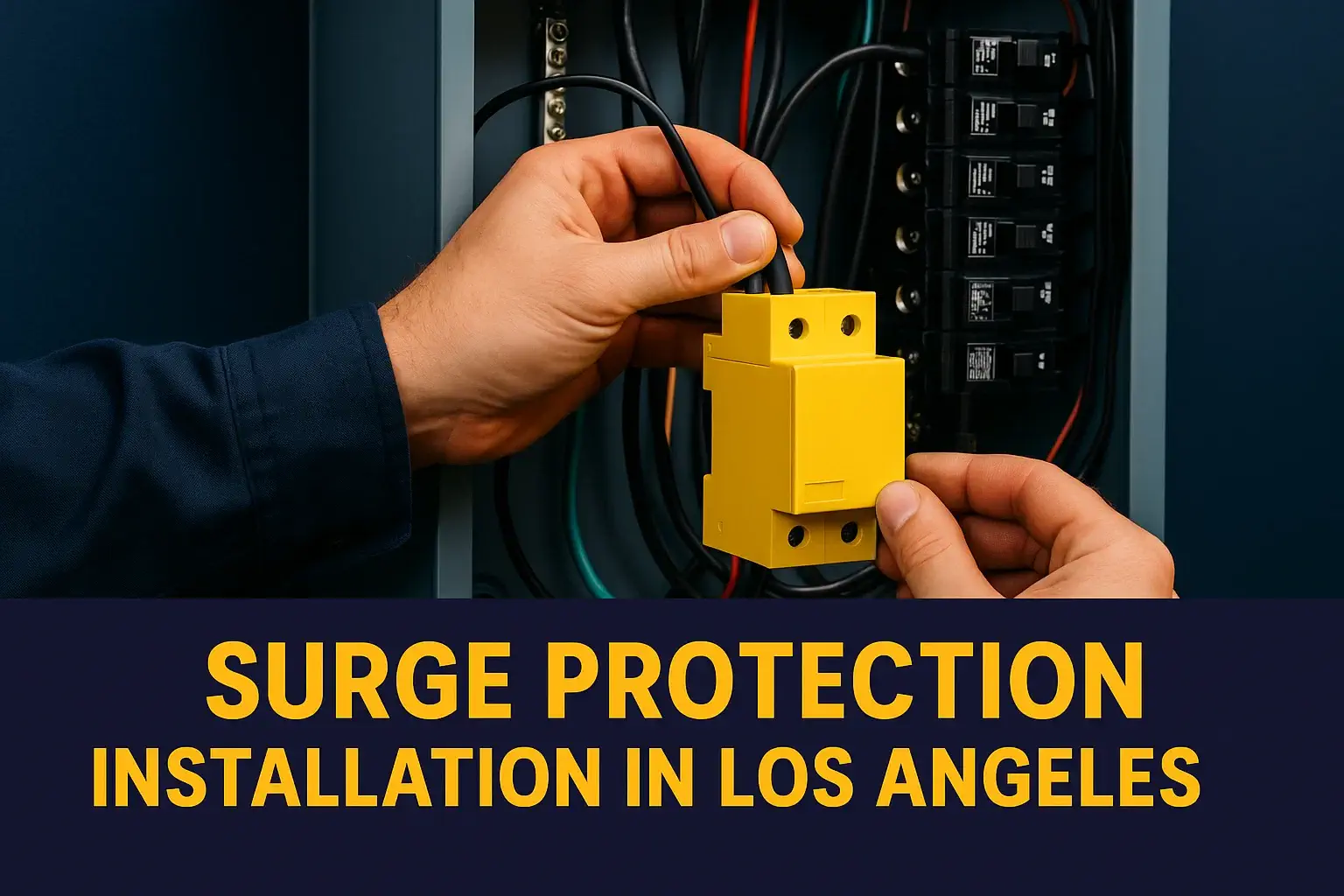
Farashi Electric provides professional whole-house surge protection and point-of-use surge protection solutions for homes in Los Angeles and Pasadena. Our team installs panel-mounted surge protection devices, evaluates the condition of your electrical service, and helps protect: Appliances, HVAC equipment, Smart home devices ,Security systems, Home networking equipment, Sensitive electronics. from damaging voltage spikes and power disturbances.
We also provide home power protection pasadena, ca services for homeowners who want an additional layer of protection for valuable electronics, appliances, and connected home systems.
Call for Surge Protection InstallationWhy Surge Protection Matters in Los Angeles
Many homeowners assume surge protection is only important in areas that experience frequent lightning storms. Since Los Angeles doesn’t see lightning activity as often as some other parts of the country, surge protection is sometimes overlooked.
The reality is that many power surges never originate from lightning at all. Common causes include:
- Utility switching operations and electrical grid maintenance
- Downed or damaged utility lines
- Large electrical loads cycling on and off, including air conditioners, pumps, compressors, elevators, and other high-demand equipment
Each of these events can introduce voltage spikes into your electrical system. While many surges are too small to notice, repeated exposure can gradually shorten the lifespan of electronics, appliances, and sensitive equipment. Occasionally, a larger surge can cause immediate and costly damage.
This is one reason why many homeowners invest in power surge protection in los angeles solutions as part of a broader electrical safety strategy.
In addition to equipment damage, electrical failures remain a significant contributor to residential fire risks nationwide. While surge events are only one piece of the overall safety picture, combining quality surge protection with properly maintained electrical systems can help reduce risk and improve long-term reliability.
What the Electrical Code Requires
From a practical standpoint, modern electrical codes recognize the importance of surge protection.
Current code requirements call for a Surge Protective Device (SPD) to be installed at the electrical service for dwelling units.
The National Electrical Code® (NEC) Section 230.67 requires a Type 1 or Type 2 SPD at the service. The device may be integrated into the service equipment or installed adjacent to it. When electrical service equipment is replaced, surge protection requirements generally apply as part of the upgrade.
Understanding the Different Types of SPD Protection
Type 1 SPD
A Type 1 SPD can be installed on the line side or load side of the main service disconnect and is commonly used as a first layer of whole-home surge protection.
Think of it as protection located as close as possible to the incoming electrical service.
Type 2 SPD
A Type 2 SPD is typically installed on the load side of the service, most commonly inside the main electrical panel or a subpanel.
This is one of the most common solutions used for whole-home surge protection systems.
Type 3 SPD
Type 3 devices provide point-of-use protection for individual electronics and equipment, such as:
- Computers
- Home offices
- Entertainment systems
- Gaming equipment
- Networking hardware
These devices complement whole-house surge protection but are not intended to replace it.
The Best Protection Strategy
For most homes, the most effective approach is a layered protection strategy:
- A properly installed whole-home SPD at the electrical service
- Additional protection at subpanels when appropriate
- Point-of-use surge protection for highly sensitive electronics
This combination provides broader protection throughout the property and reflects current industry best practices for residential power protection in los angeles ca systems.
Services We Provide
When you bring in Farashi Electric for surge protection, our work goes beyond simply installing a device—we focus on protecting the electrical system as a whole.
Professional Surge Protection at the Main Panel
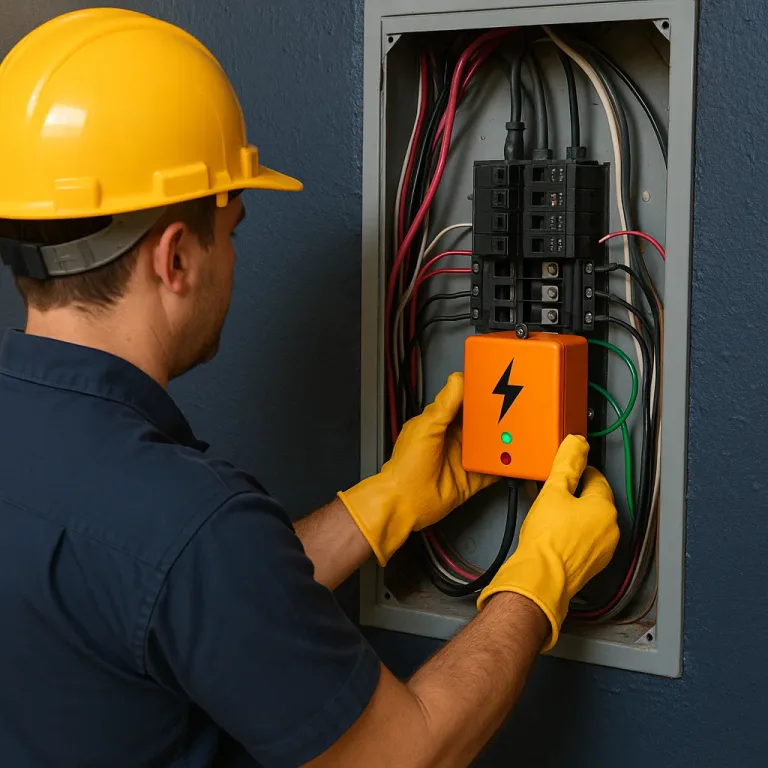
We install Type 1 or Type 2 Surge Protective Devices (SPDs) that are correctly matched to your electrical service size and short-circuit rating.
The goal is to protect the entire home or small business, not just a single circuit, ensuring broader and more reliable surge coverage.
Panel-Integrated or Side-Mounted Installations
If your electrical panel is older or undersized, we can coordinate surge protection with an Electrical panel upgrade.
This ensures new protection is installed on a properly rated and stable electrical foundation rather than being added to an aging system that may already be near capacity.
Subpanel and Dedicated-Circuit Protection
We install additional surge protection where it matters most for high-value electrical loads, including:
- Home offices
- AV and entertainment systems
- Home studios
- Server closets and network equipment
- Car charger installation circuits
- Solar and battery backup systems
This provides layered protection for critical areas of the property.
System Hardening
Surge protection is most effective when the underlying electrical system is in good condition.
We inspect and address key system factors such as:
- Electrical bonding and grounding
- Loose or questionable terminations
- Panel condition and load distribution
When needed, surge protection is integrated into electrical wiring and rewiring or electrical troubleshooting and repairs so the system is improved—not just supplemented with a standalone device.
Exterior and Yard Protection
Outdoor electrical systems are often more exposed to environmental stress and voltage spikes.
During landscape lighting installation, we can help protect:
- Low-voltage lighting systems
- Landscape transformers
- Pond and fountain pumps
- Outdoor electrical equipment
from surge-related damage and premature failure.
Our Installation Method
Here’s exactly what happens when we arrive to install surge protection.
Photo Review & Panel Assessment
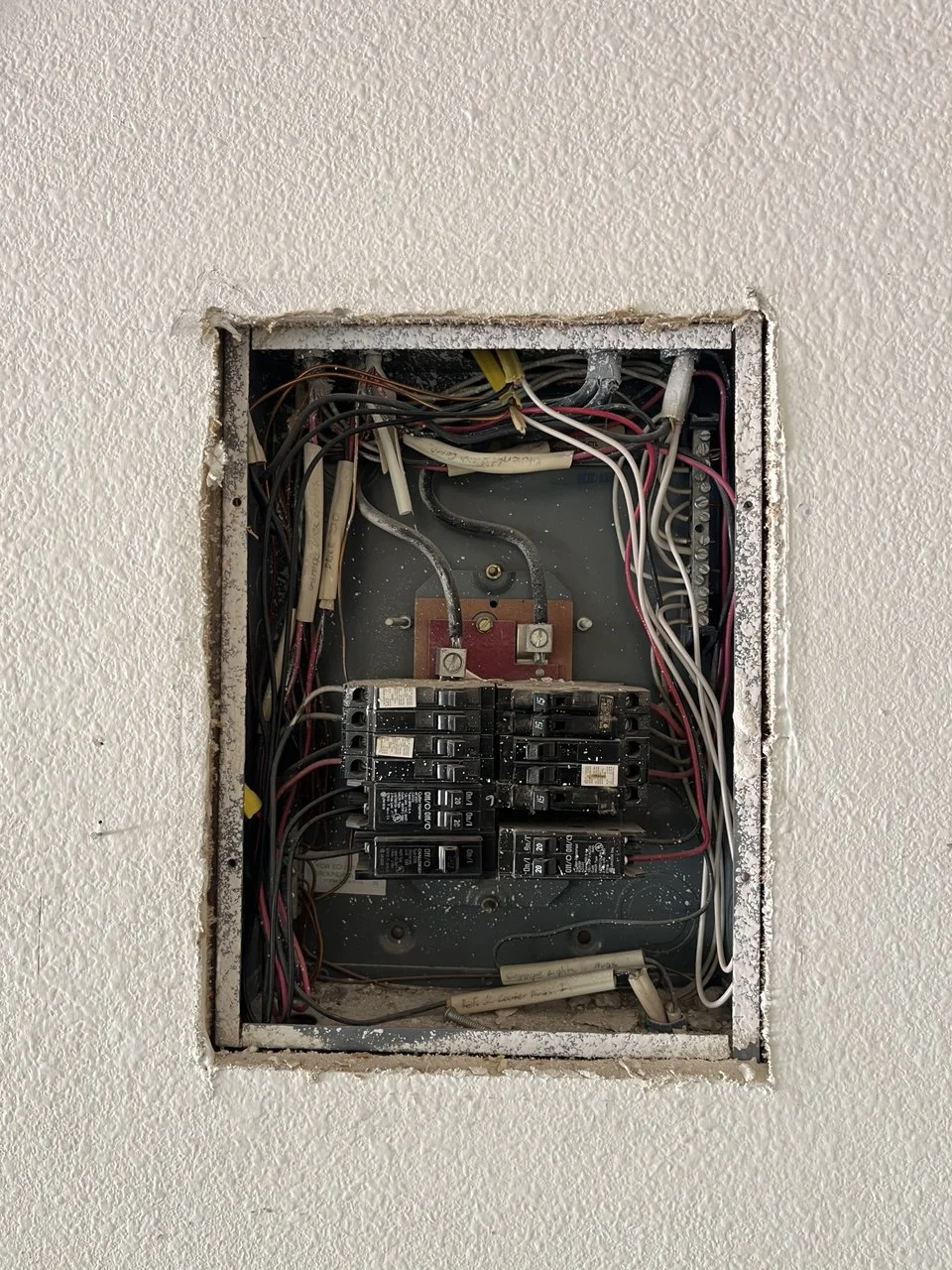
Before the visit, we ask for a few photos of your electrical panel with the cover open and the panel label visible.
This allows us to confirm:
- Electrical service size
- Panel manufacturer and model
- Available space for an SPD
- Any visible concerns with grounding or bonding
This step helps ensure the installation plan is accurate before any work begins.
Selecting the Correct Surge Protection Device
Based on your electrical system, we choose a UL 1449-listed Type 1 or Type 2 Surge Protective Device (SPD) with the correct voltage rating and surge current capacity.
The device is installed either inside the panel or directly adjacent to it, depending on manufacturer specifications and code requirements.
Clean, Low-Impedance Installation
Proper installation is critical for performance.
We ensure:
- SPD leads are kept as short and direct as possible
- Correct breaker configuration is used for Type 2 installations
- All terminations are torqued to manufacturer specifications
- Wiring is neatly routed and secured
Short conductor length helps improve surge response performance when voltage spikes occur.
Layered Protection Strategy
For homes with sensitive or high-value equipment—such as:
- Home offices
- Theater rooms
- Server or network equipment
- EV charging systems
we may recommend additional protection at subpanels or high-quality Type 3 devices.
This creates a layered protection system rather than relying on a single point of defense.
Documentation Package
After installation, we provide a simple documentation package that may include:
- Photos of the installation
- SPD model and rating details
- Basic maintenance guidance
- Notes on what to check after major surge events
This information is often useful for insurance records and future property documentation.
Timeline and Cost Overview
Most residential surge protection installation in Los Angeles projects can be completed in a single visit when the main panel is accessible.
We plan the work to minimize power interruption and avoid extended downtime.
Pricing depends on several factors, including:
- SPD classification and rating
- Electrical panel brand and available space
- Conductor routing complexity
- Whether work is combined with an Electrical panel upgrade or related electrical services
System Condition Considerations
If the electrical service equipment shows signs of age, corrosion, heat damage, or obsolete components, we will stabilize the system and present clear upgrade options.
This ensures homeowners can choose between short-term stabilization and longer-term electrical improvements without unnecessary repeat costs.
Pre-Job Confirmation
We always confirm scope and pricing after reviewing panel photos.
This ensures transparency and allows homeowners to approve the plan before any technician arrives on site.
Case Study — “After the Brownout” in Mar Vista (Single-Family Home)
A homeowner in Mar Vista contacted Farashi Electric after experiencing a severe brownout event.
What Happened
Earlier in the week, the home experienced noticeable electrical disturbances:
- Lights dimmed and flickered multiple times
- A few days later, the Wi-Fi router failed completely
- The wall oven began displaying error codes
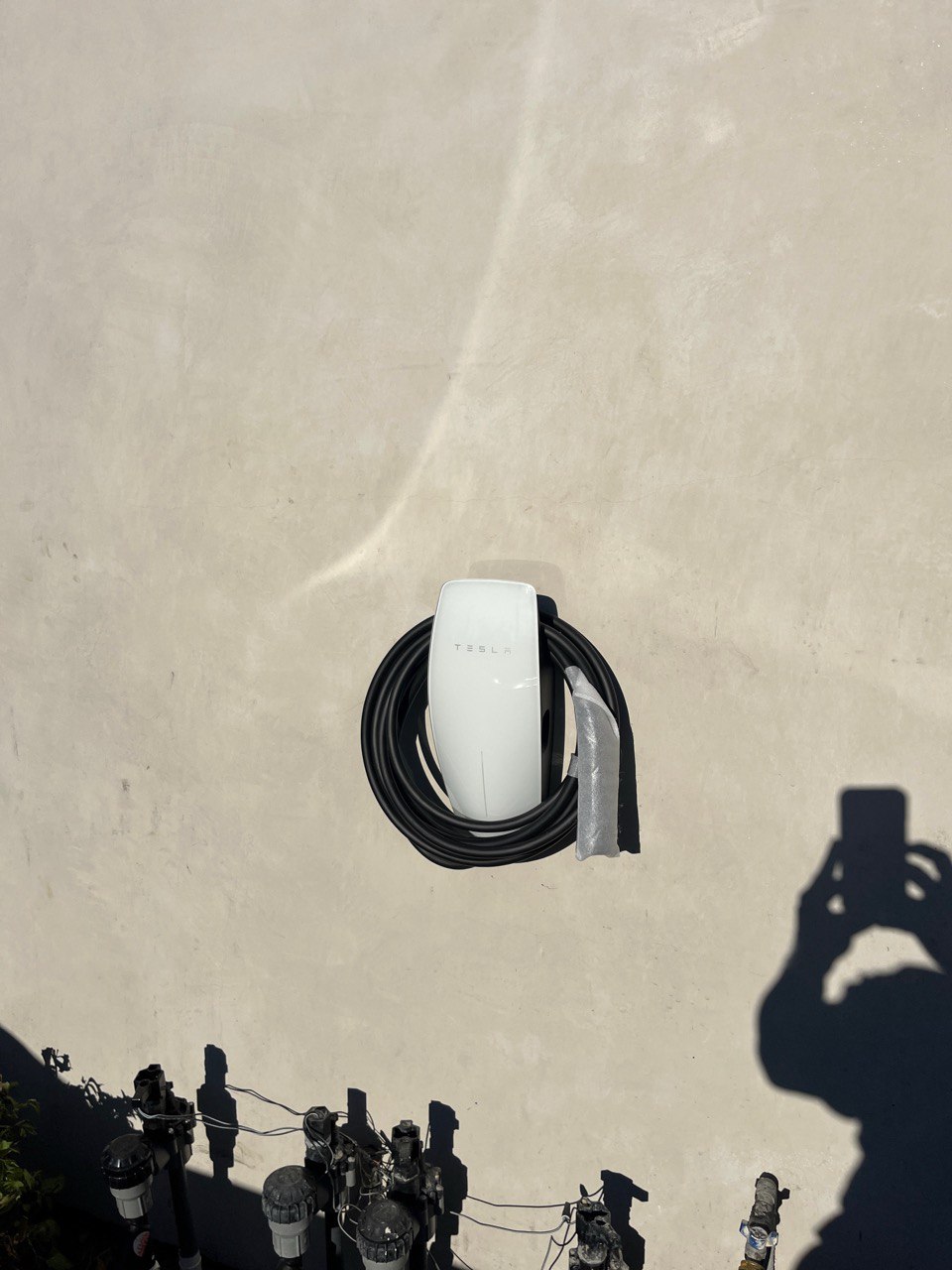
- The EV charger intermittently faulted and stopped charging overnight
These issues appeared gradually after the initial power event.
What We Found
During our inspection, we identified several contributing factors:
- The main electrical service equipment was in generally good condition, but there was no surge protection installed
- Sensitive electronics were connected through long circuit runs, increasing exposure
- Multiple consumer-grade surge strips were in use, but none provided meaningful surge protection capability
What We Did
To improve system protection and reliability, we installed:
- A Type 2 Surge Protective Device (SPD) at the main panel for whole-home protection
- An additional compact SPD at a subpanel serving office and AV circuits
We also:
- Verified and documented grounding conditions
- Cleaned up panel labeling for clarity
- Provided a simple summary report of the system status
The Result
The installation was completed in approximately half a day.
A few weeks later, another utility switching event occurred in the area. While neighboring homes reported electronic disruptions, this property experienced no new equipment failures.
The homeowner later shared that it was the first time they felt confident during a power fluctuation. The documentation was also saved for insurance and property records.
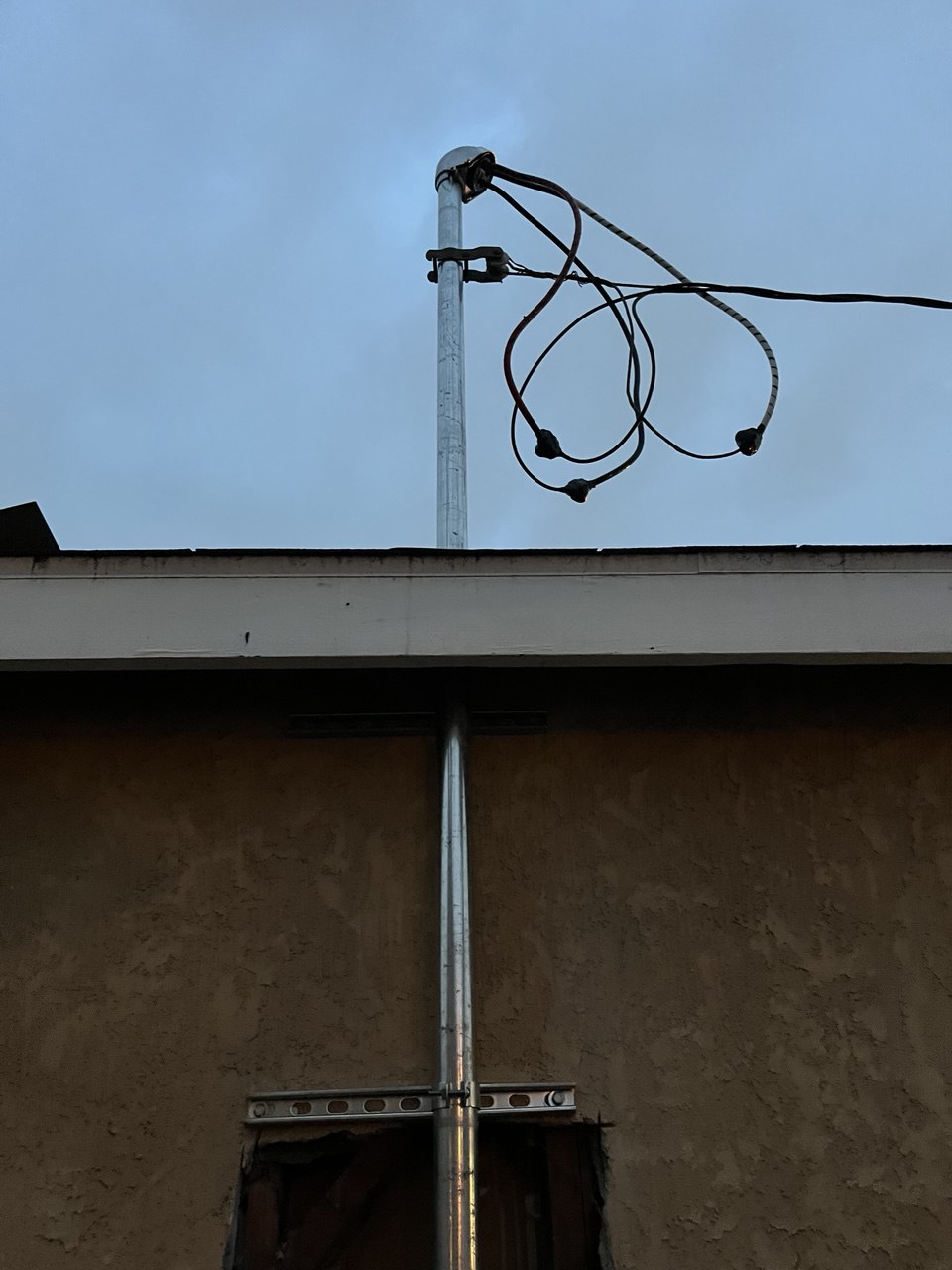
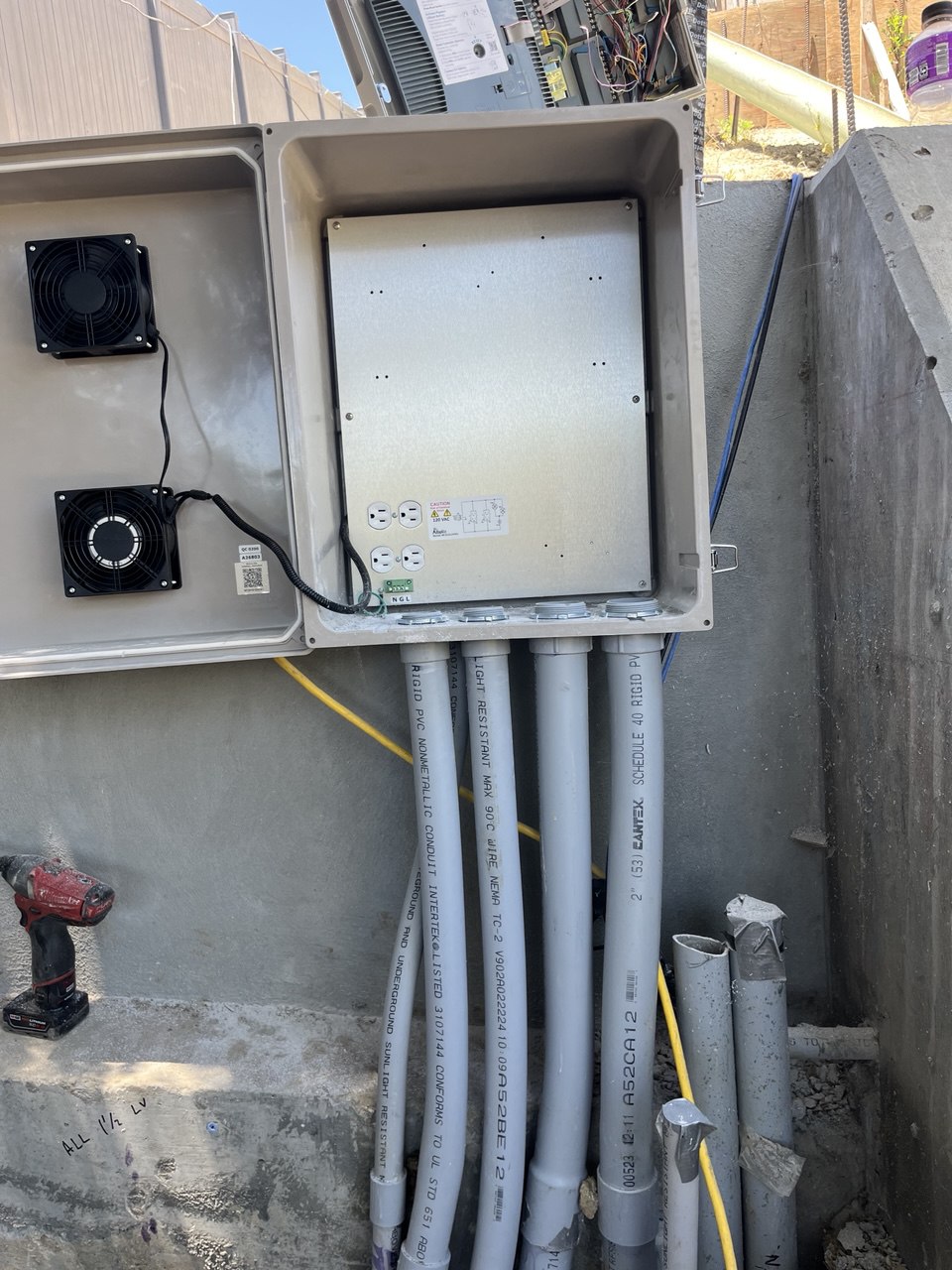
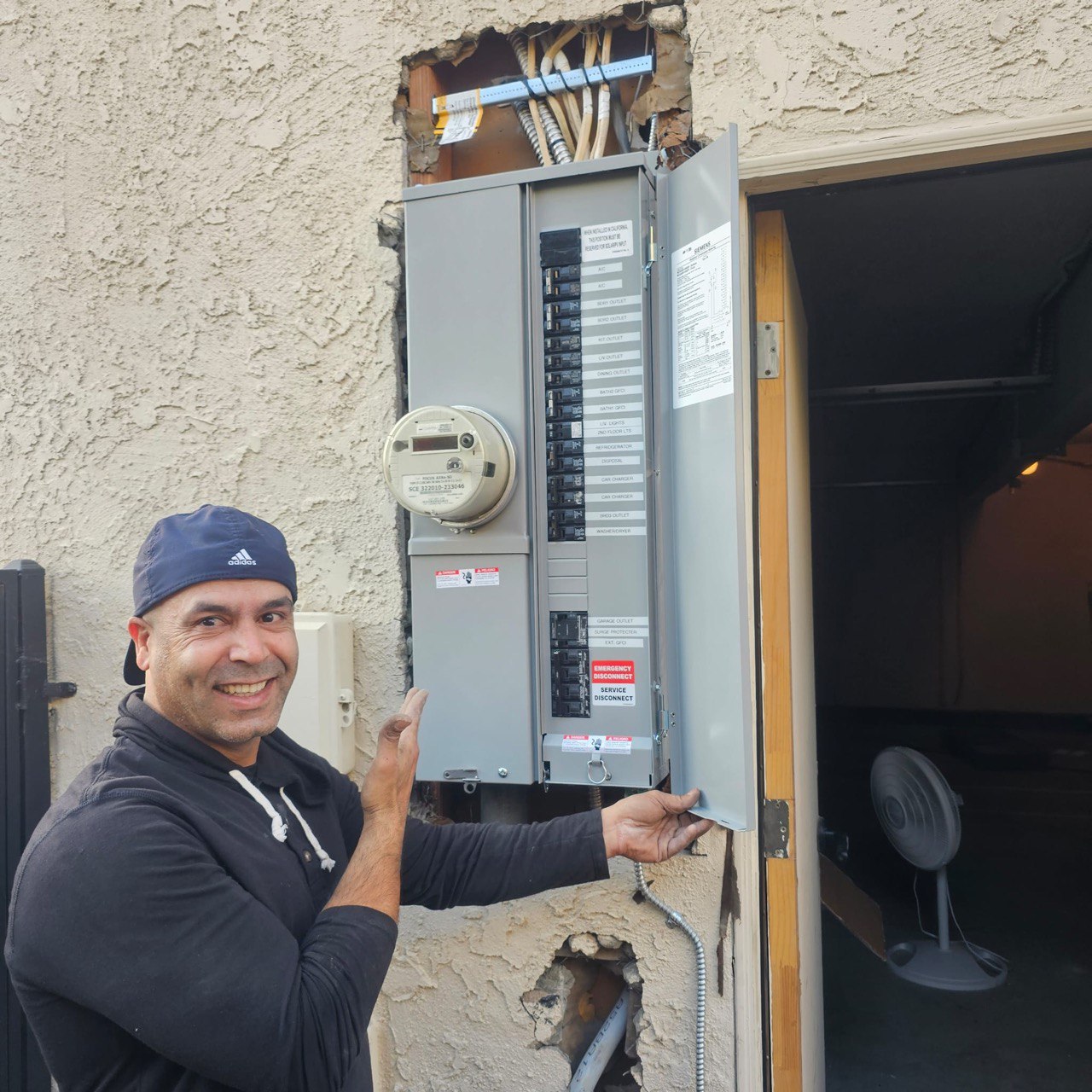
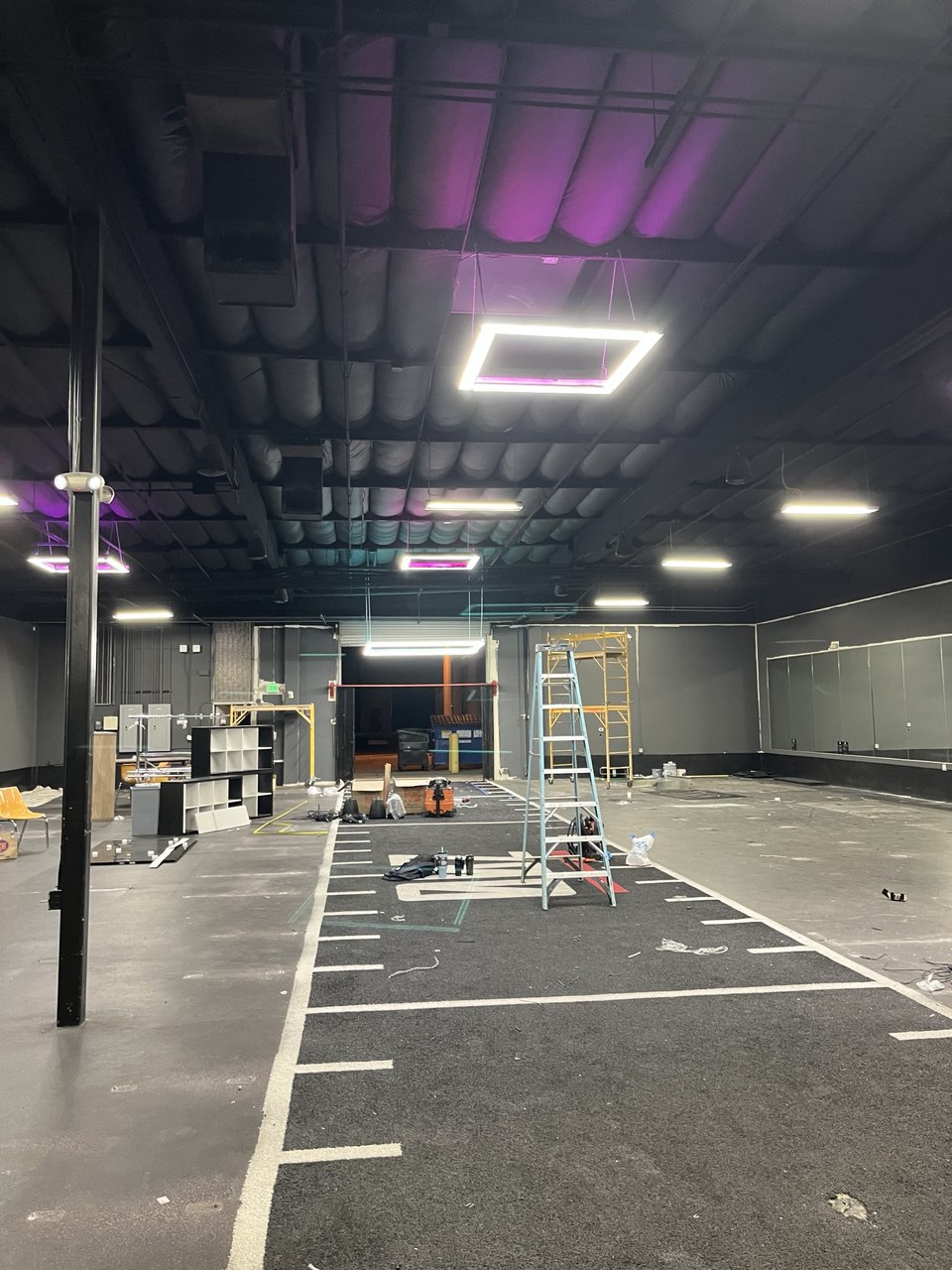
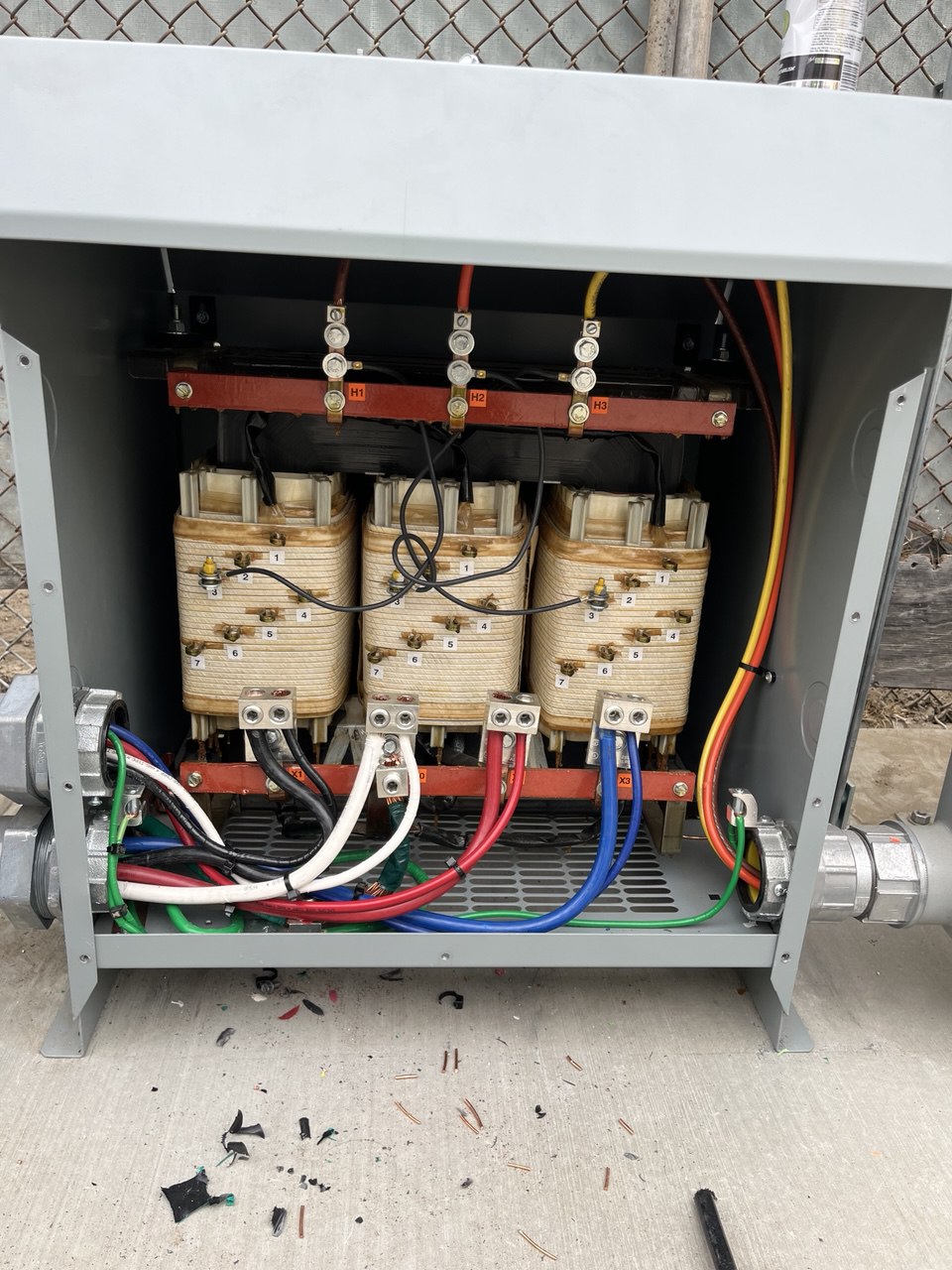
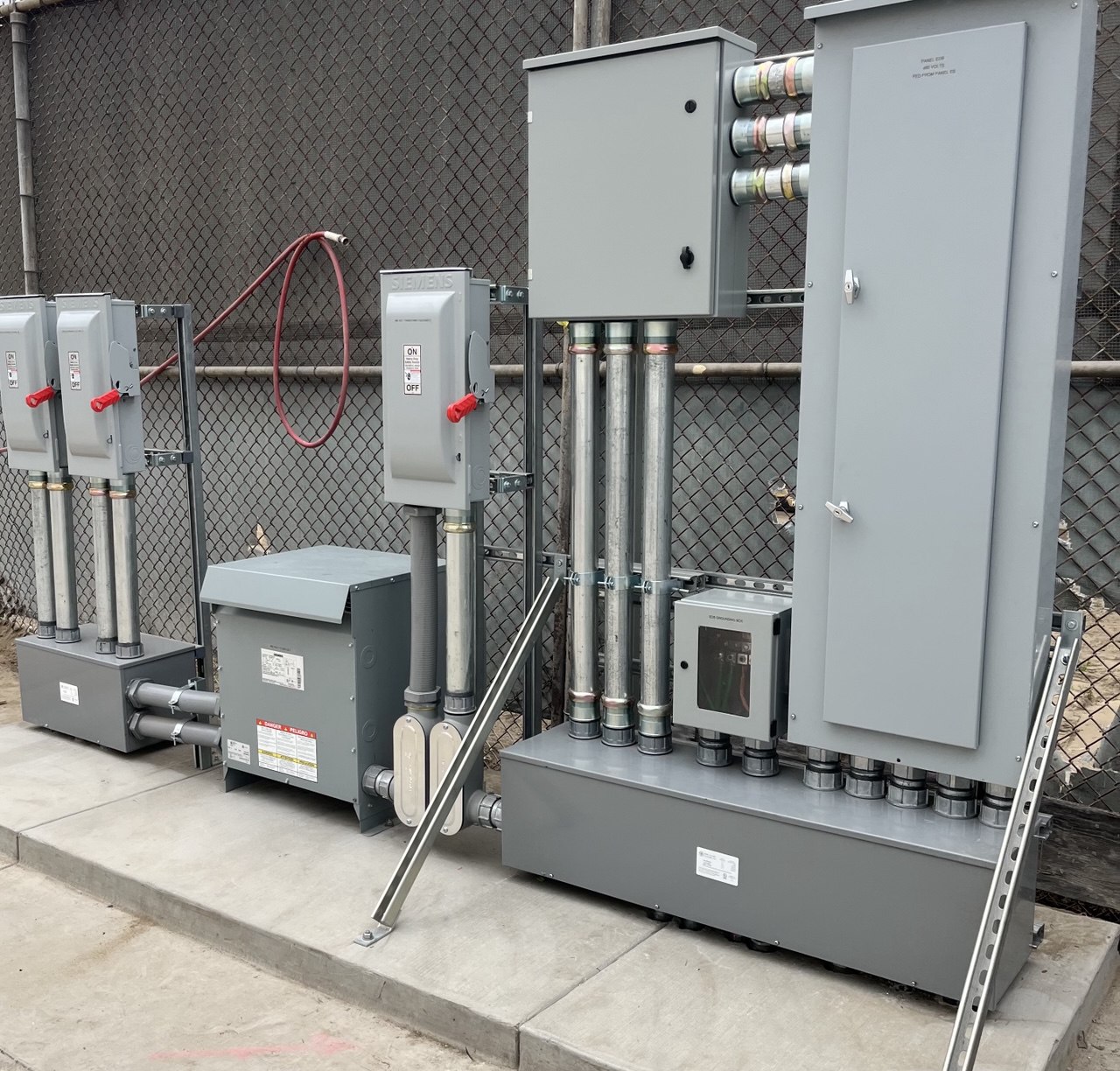
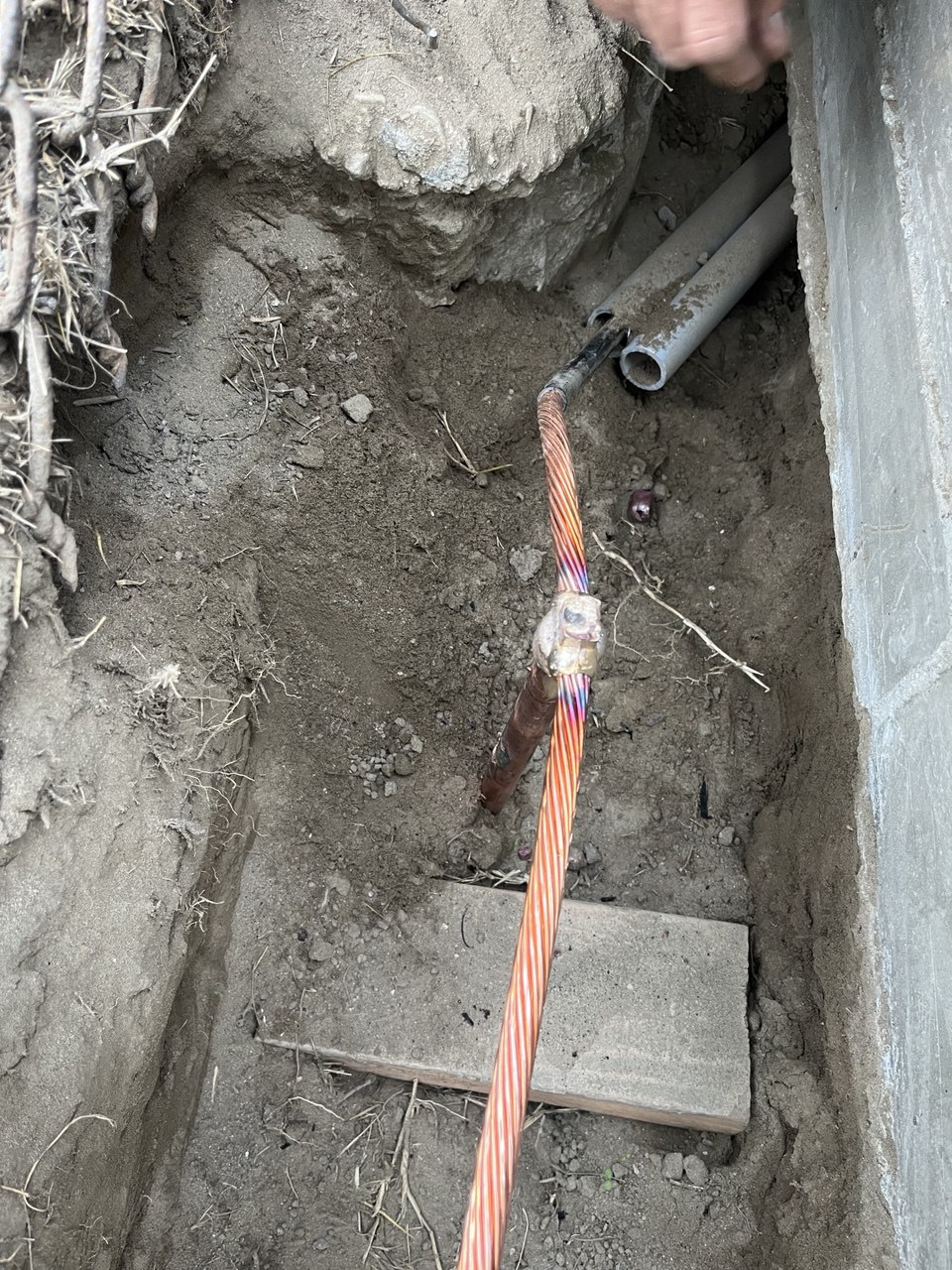
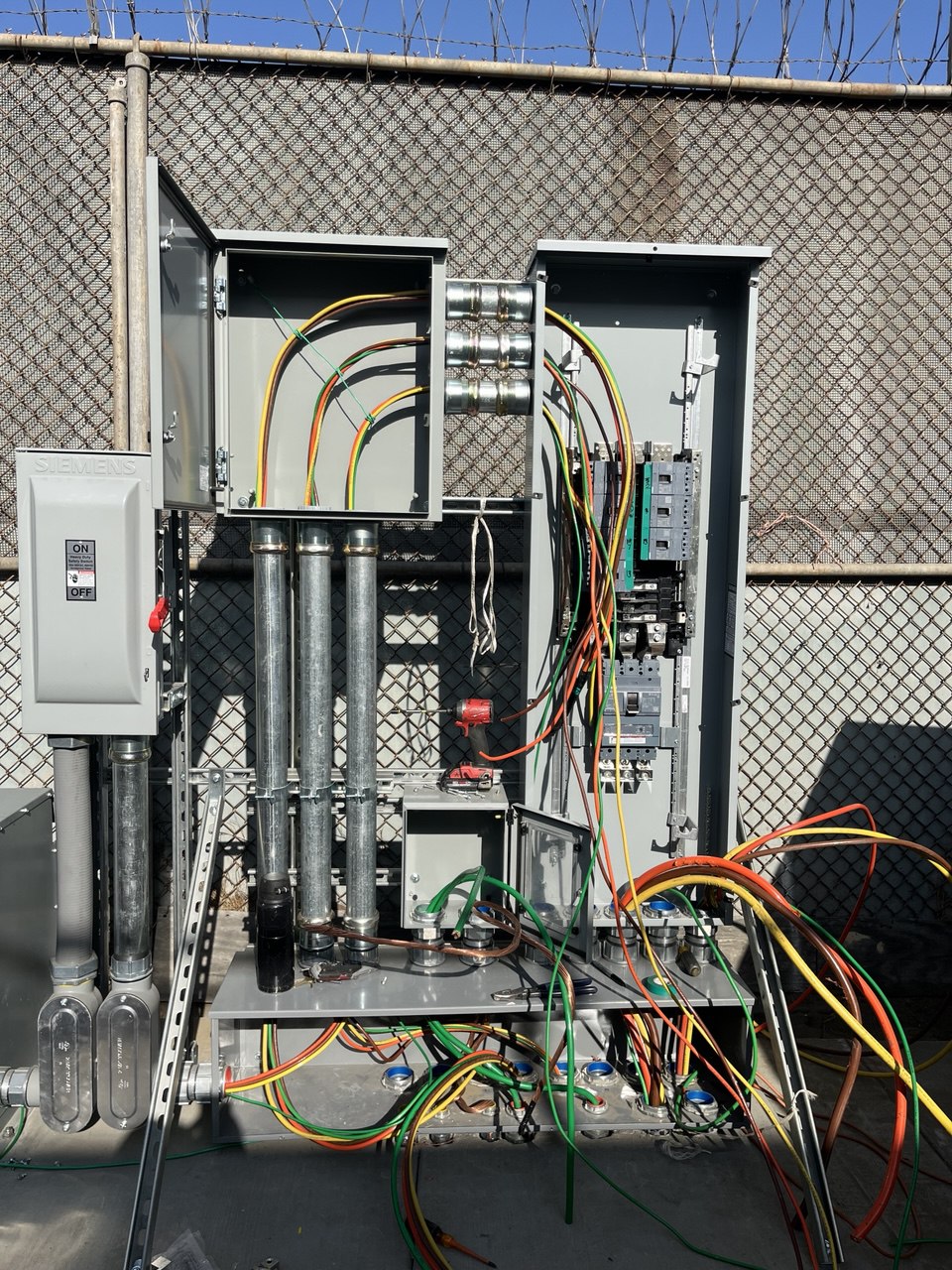
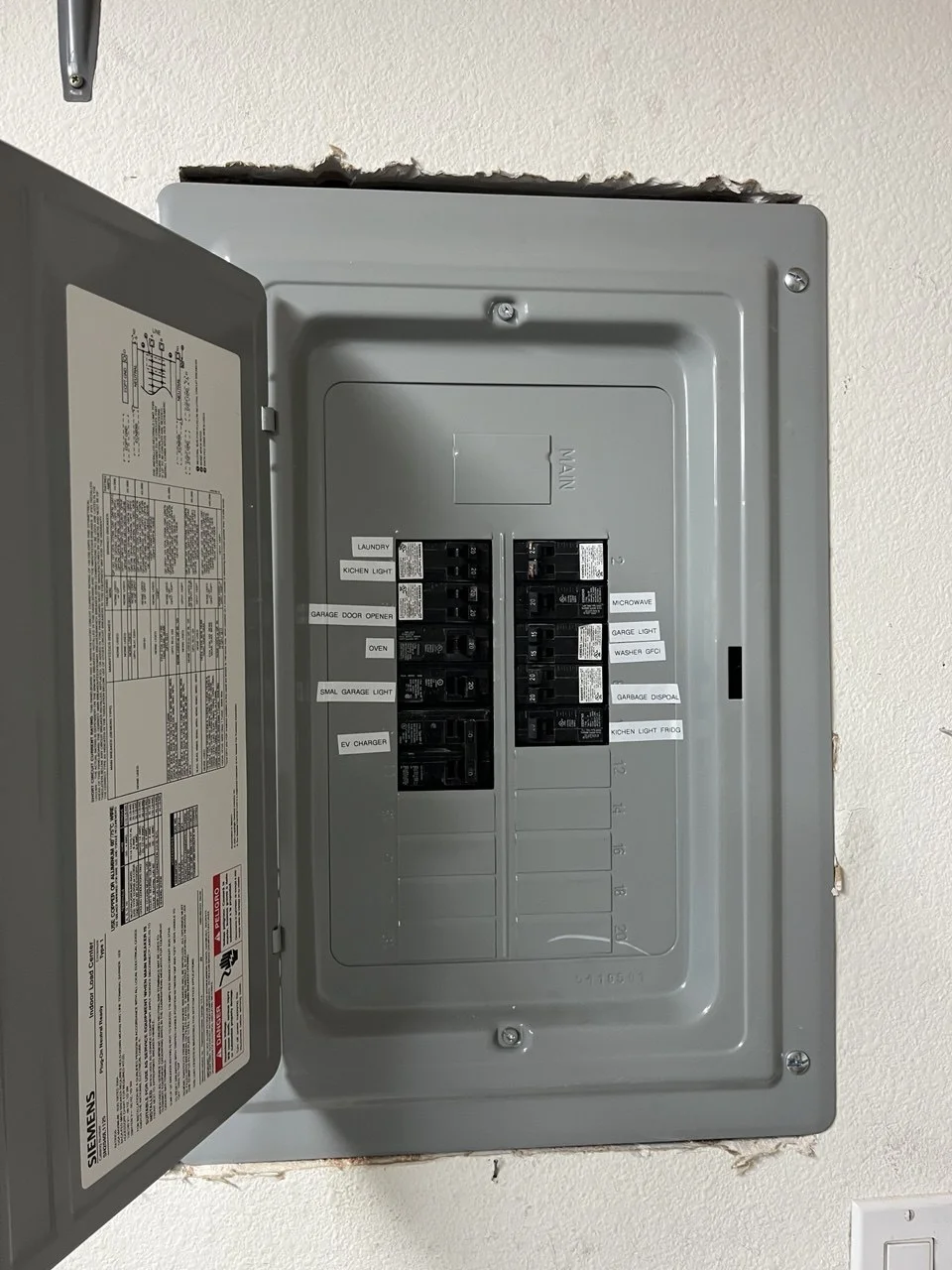
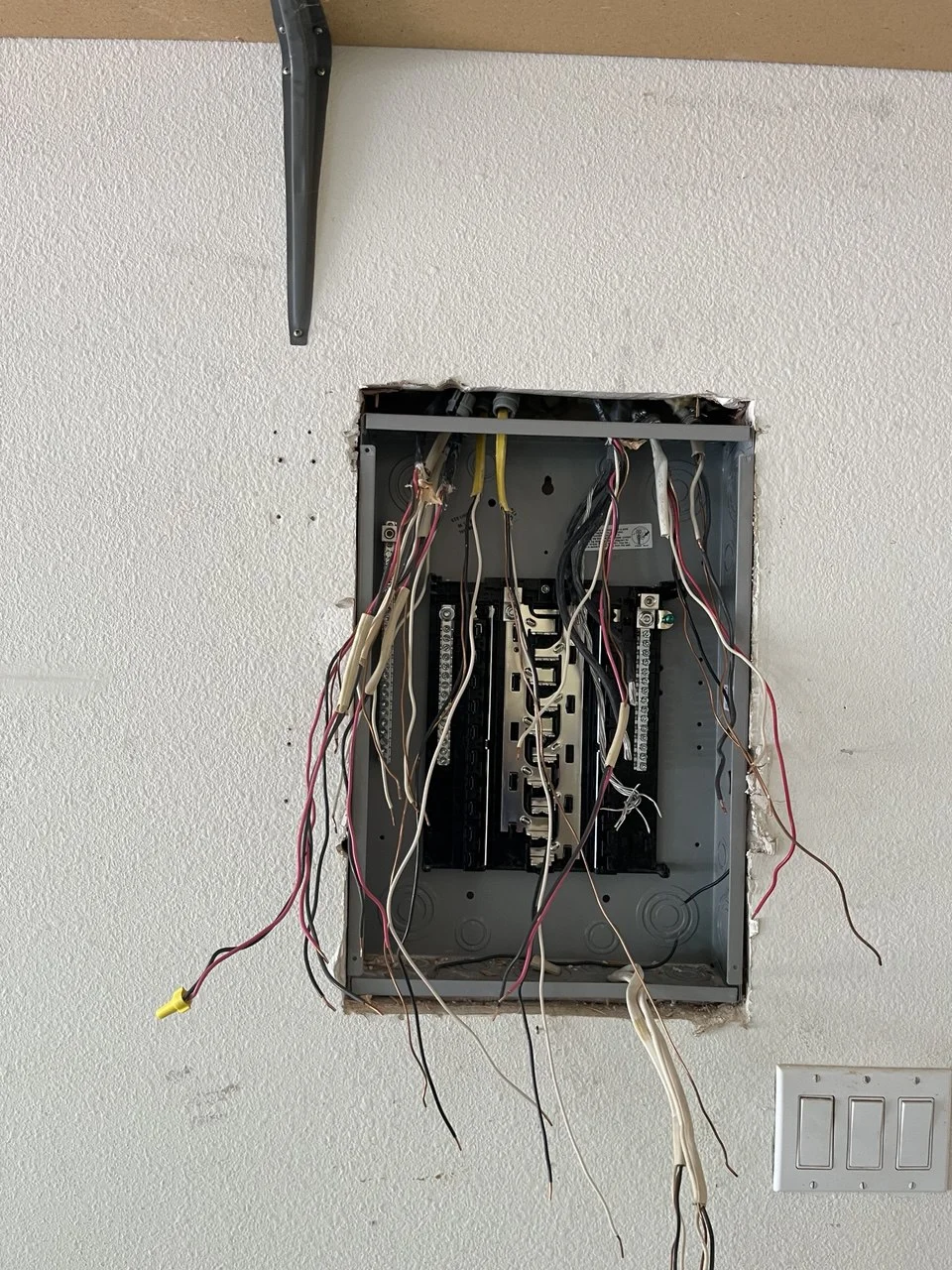
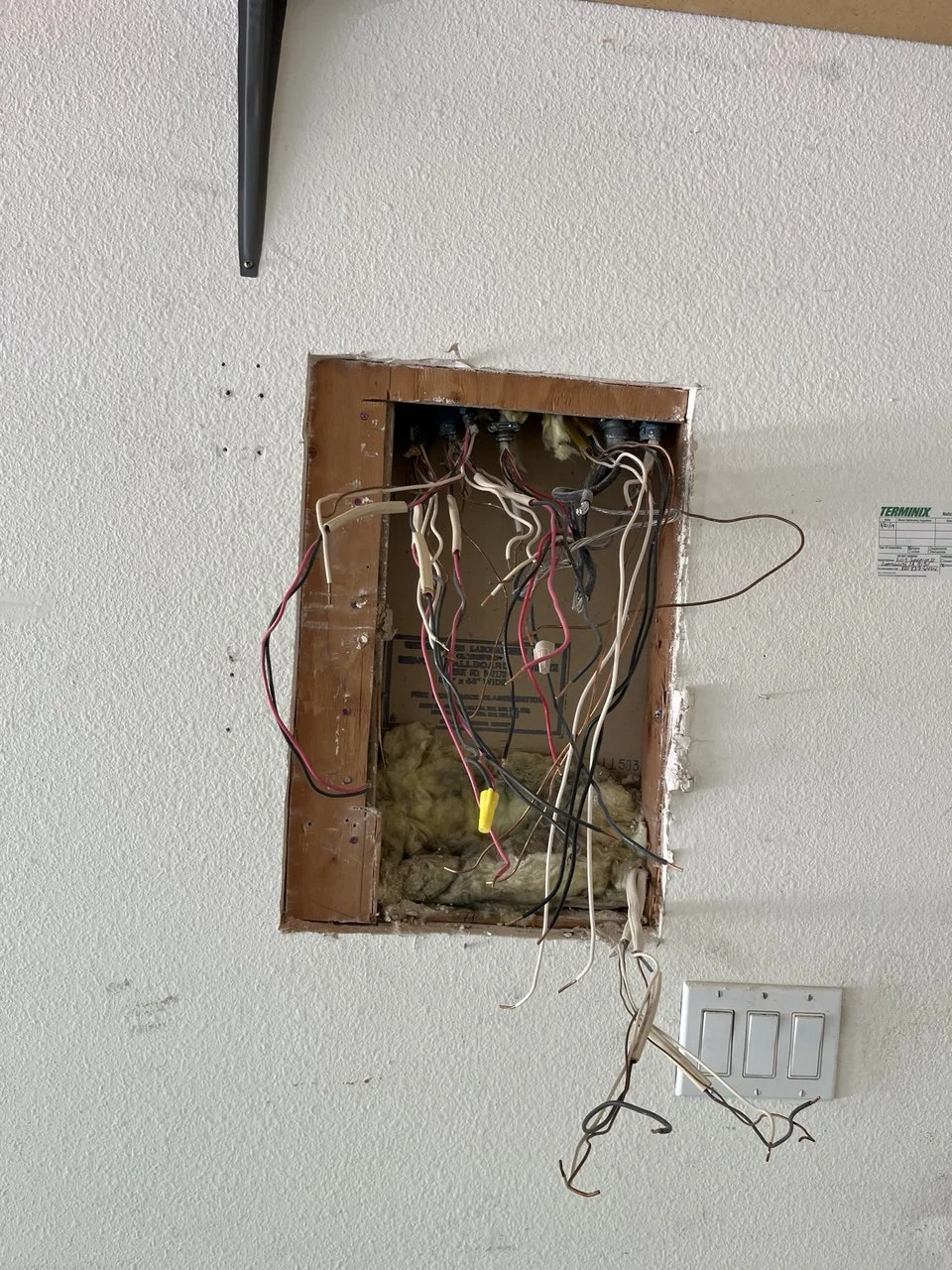
Featured examples from our electrical projects
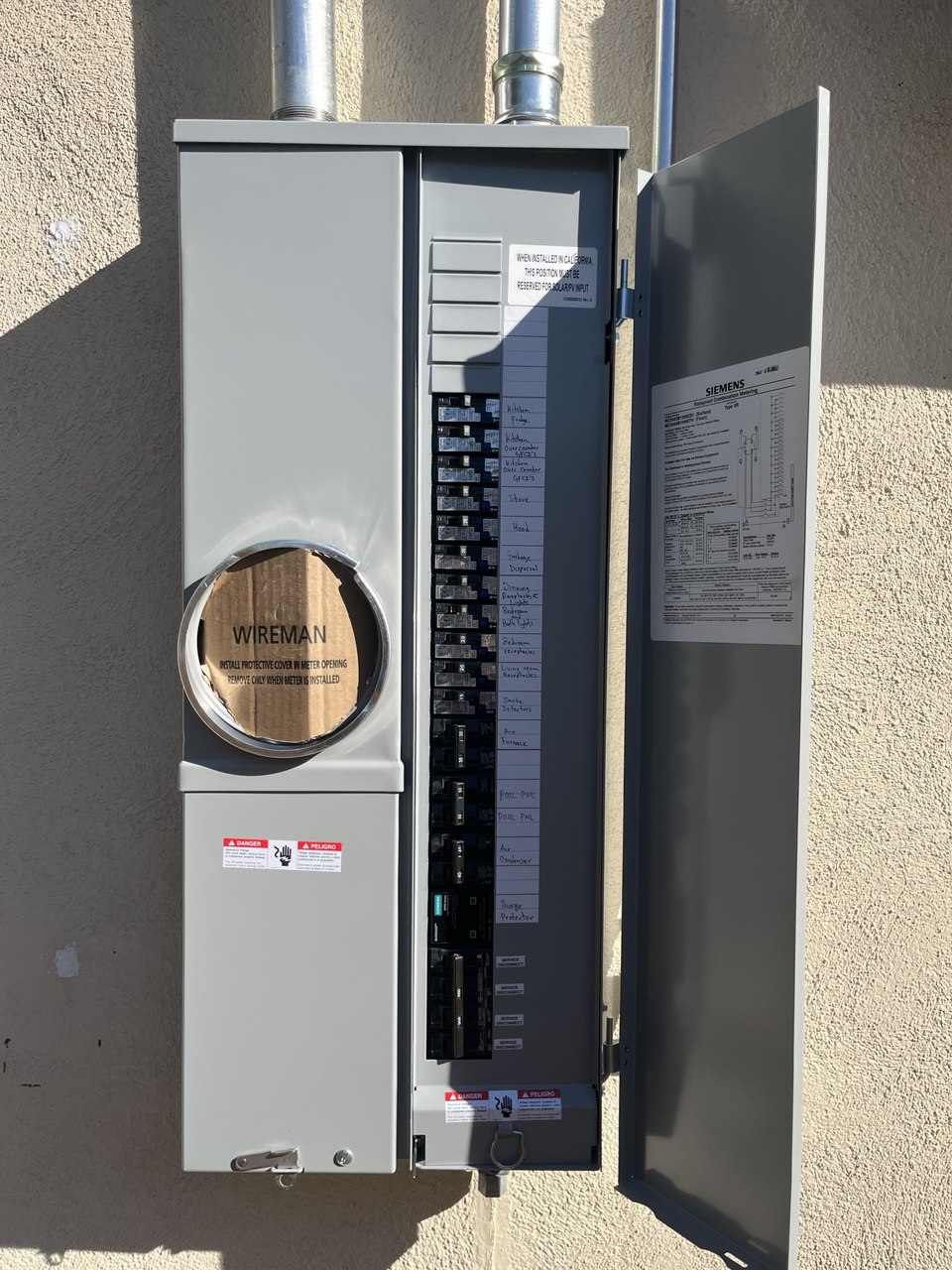
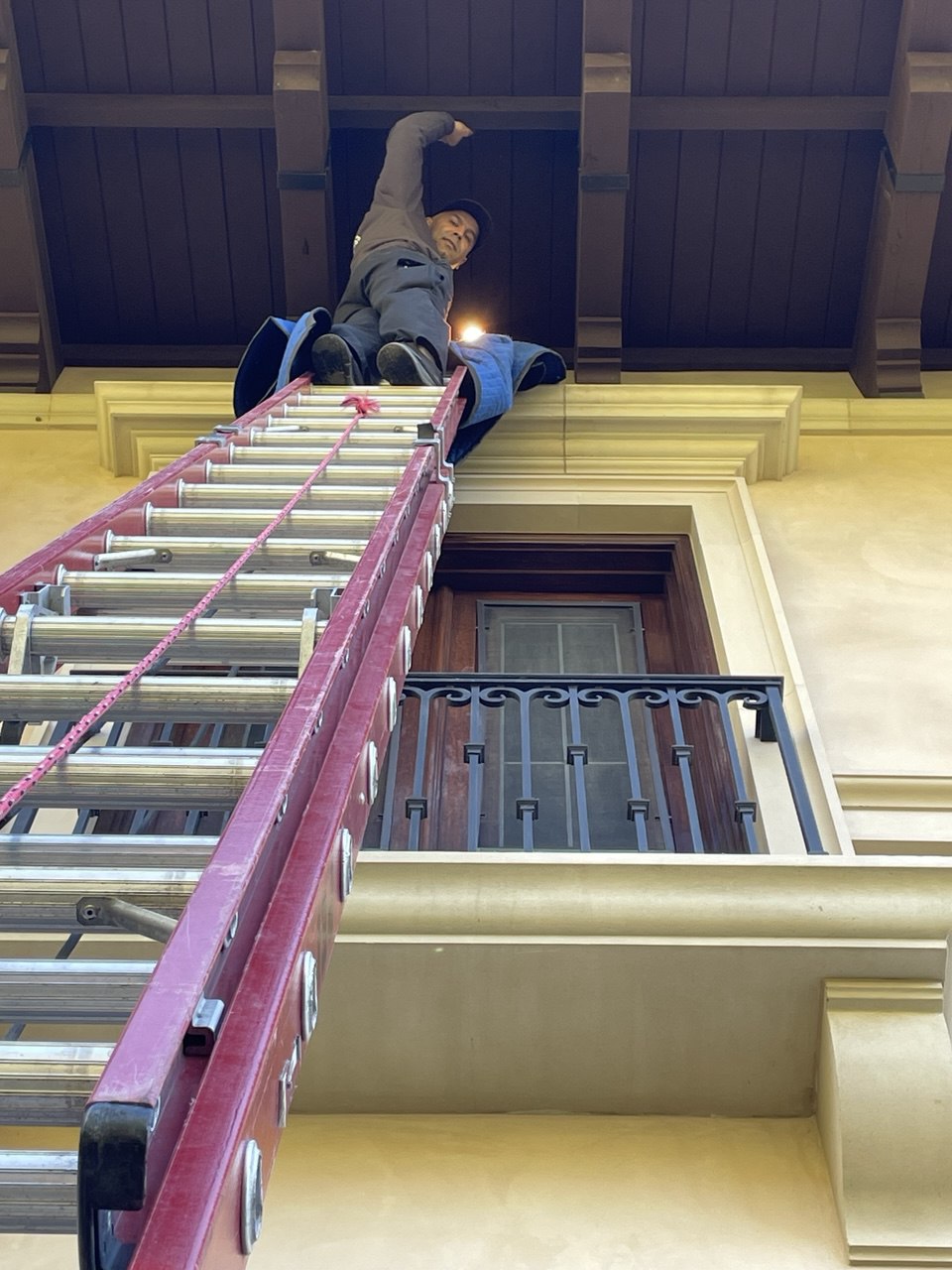
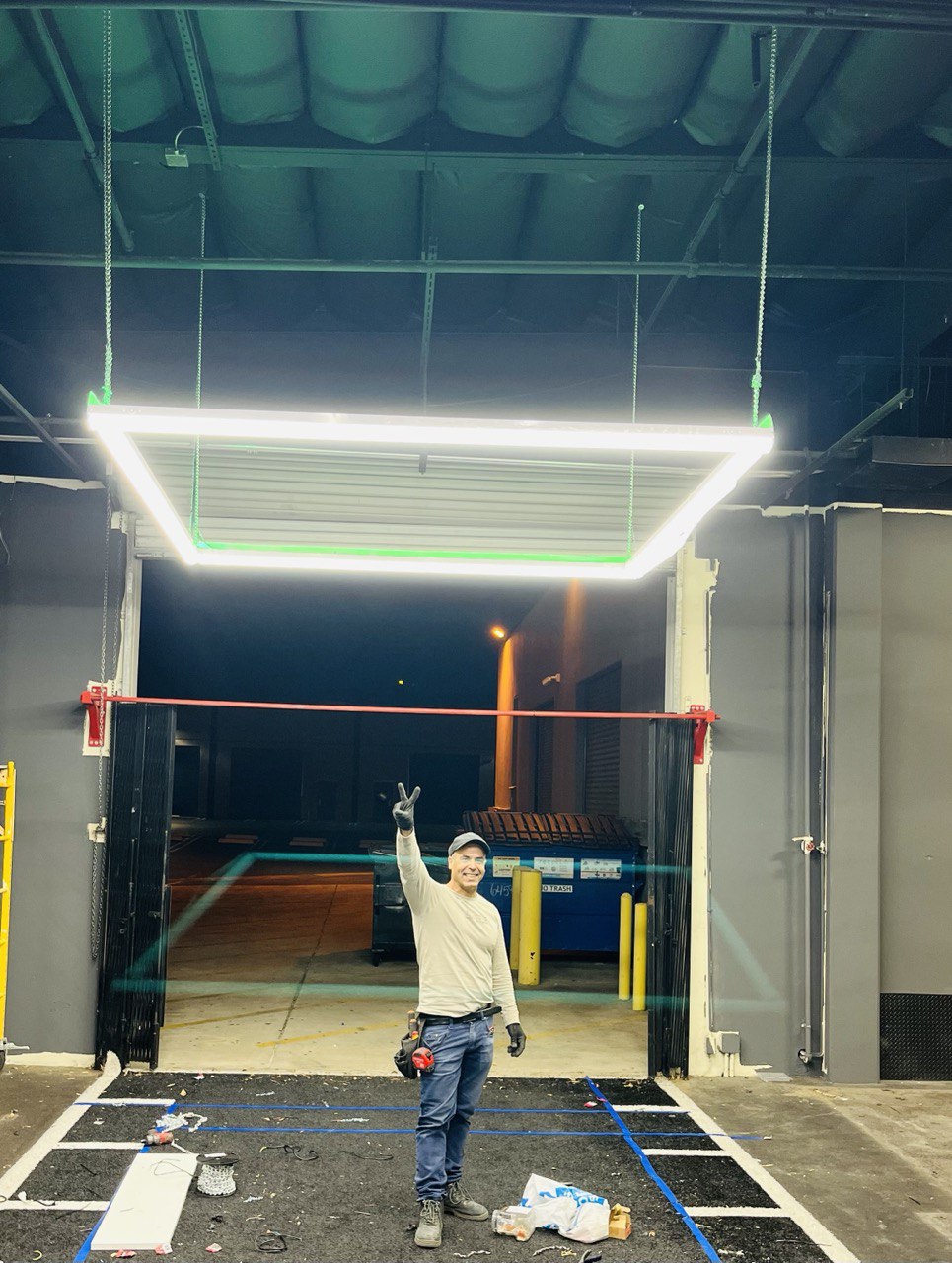
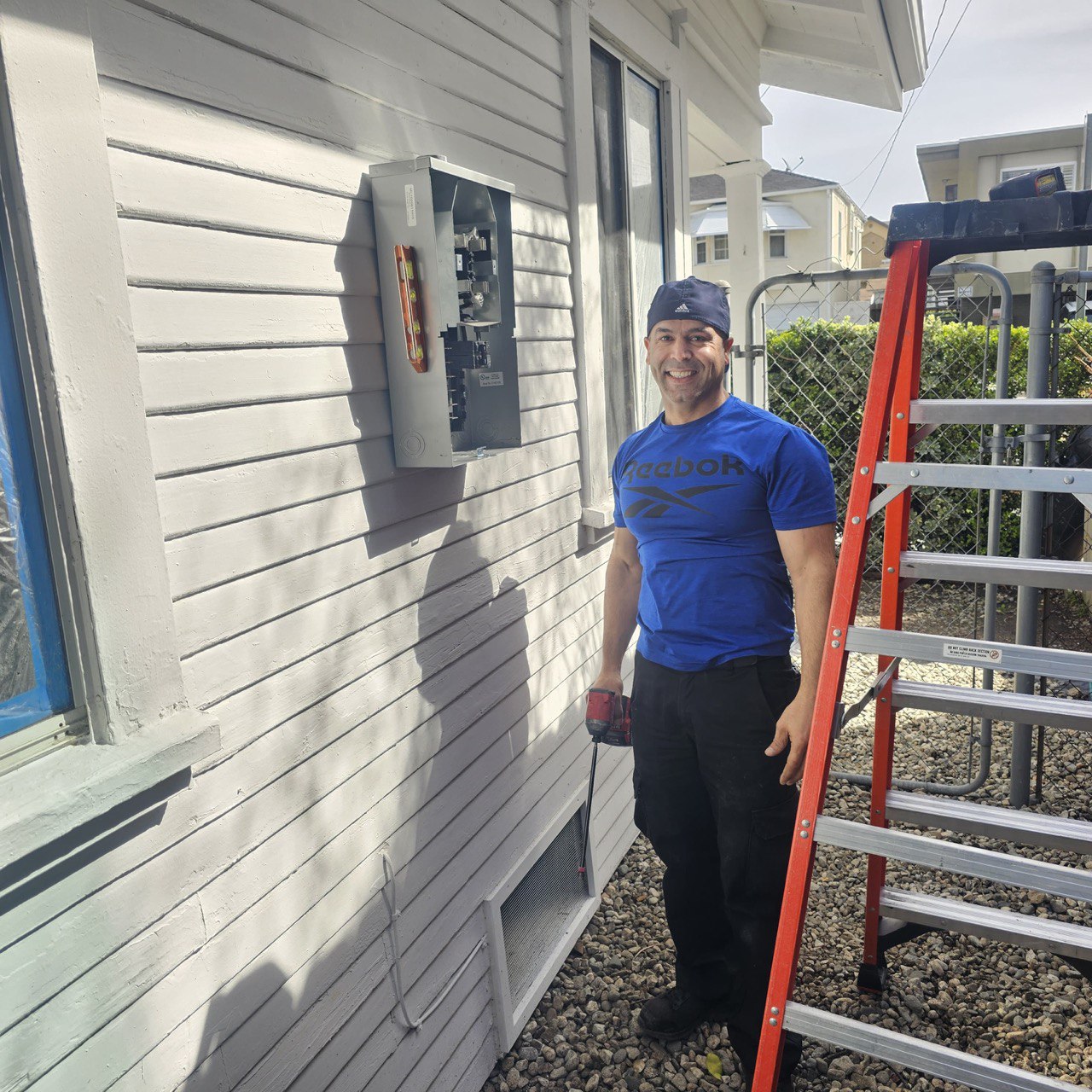
Bahram Farashi
C-10 Licensed Electrician (CA Lic. #1102687) — 10+ years installing residential/commercial Electrical Services.
Frequently Asked Questions
Yes. Under NEC 230.67 (2020/2023 code cycles), new or replaced dwelling electrical services are required to include a Type 1 or Type 2 Surge Protective Device (SPD) at the service.
The device may be integrated into the electrical equipment or installed adjacent to it. If you are upgrading your electrical service, surge protection is typically included as part of the overall project scope.
A Type 1 SPD is installed on either side of the main disconnect, often near the meter or main service equipment.
A Type 2 SPD is installed on the load side, typically inside the main panel or a subpanel.
In real-world applications, the selection depends on:
- Electrical system layout
- Available installation space
- Equipment configuration
In some cases, a combination of both Type 1 and Type 2 protection is used to create a more complete layered protection system.
Yes.
Whole-home surge protection reduces large external voltage spikes, but point-of-use protection (Type 3 surge strips) is still recommended for sensitive electronics such as:
- Computers
- TVs and entertainment systems
- Networking equipment
This layered approach ensures additional protection against smaller residual surges and internally generated electrical noise.
No.
Surge Protective Devices (SPDs) are designed specifically to handle voltage surges. They do not resolve issues such as:
- Flickering caused by loose connections
- Low voltage conditions
- Faulty neutral wiring
- Overloaded circuits
During installation visits, we also evaluate these conditions and recommend separate repairs if necessary.
Not always, but it depends on the condition of your panel.
If the electrical panel is:
- Obsolete
- Undersized
- Showing signs of heat damage or wear
then an Electrical panel upgrade is often recommended before or during surge protection installation.
In those cases, integrating surge protection during the upgrade provides a safer and more cost-effective long-term solution.
If the panel is older but still in good condition, we assess it on-site and explain the best option based on safety and system compatibility.