Electrical Panel Repair in LA: Fix It or Upgrade?
A failing electrical panel can reveal itself through warning signs such as flickering lights, warm breakers, buzzing noises, burning odors, frequent breaker trips, or a main breaker that refuses to reset.
Farashi Electric provides professional electrical panel repair in los angeles services and helps homeowners accurately determine whether an electrical panel repair is the safest and most cost-effective solution, or if a panel replacement would provide better long-term reliability, safety, and performance.
Jump to Section
ToggleWhat Counts as Electrical Panel Repair (vs. Replacement)?
Understanding the difference between repair and replacement can help homeowners make informed decisions and avoid paying for work that may not be necessary.
Electrical Panel Repair
In most cases, electrical panel repair means restoring safe and reliable operation without changing the existing service capacity. For example, a 100-amp service remains a 100-amp service after the repair.
Common repairs may include:
- Replacing a damaged, worn, or overheating breaker
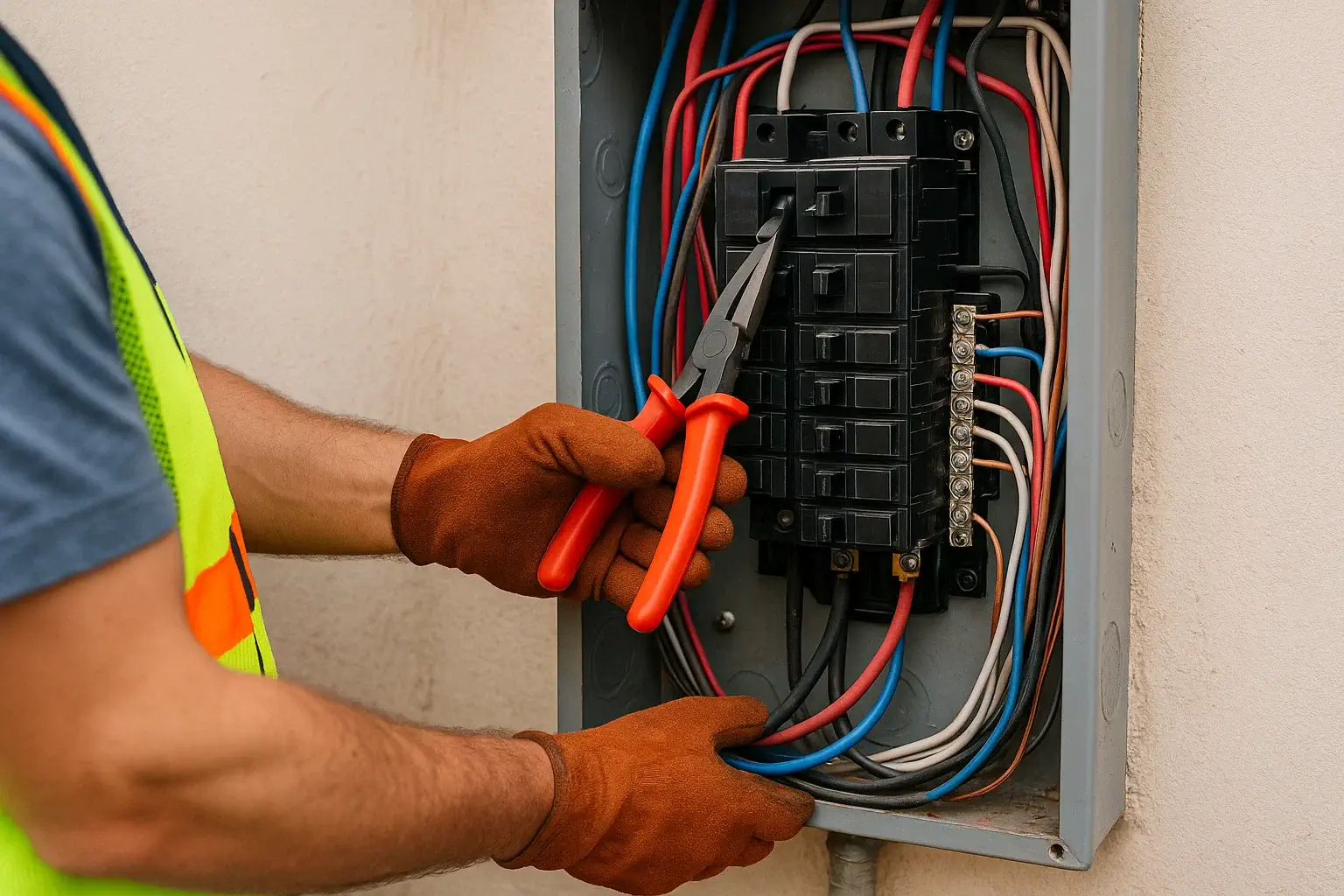
- Tightening loose electrical connections and terminations
- Correcting double-lugged neutral or ground conductors and improving bonding where needed
- Repairing loose meter-to-panel connections when permitted by utility requirements
- Replacing damaged bus stabs or corroded lugs when approved replacement parts are available
Panel Replacement or Upgrade
A replacement or upgrade typically involves installing a new panel, enclosure, or changing the service capacity. This option is often recommended when:
- Bus bars show extensive corrosion, pitting, or heat damage
- The panel is a brand with documented safety concerns, such as FPE or Zinsco
- Breakers trip unpredictably due to internal panel damage rather than electrical load
- The home is adding major electrical loads such as EV chargers, heat pumps, ADUs, or spas
In these situations, an upgrade may provide a safer and more cost-effective long-term solution than repeated repairs.
A Simple Rule of Thumb
If a repair only addresses the symptom rather than the underlying cause—such as overheating, corrosion, deteriorated components, or an undersized electrical service—it may only delay a larger problem rather than solve it.
Clear Signs You Need Professional Electrical Panel Repair in LA
Certain warning signs should never be ignored. Contact a qualified electrician if you notice:
- Repeated breaker trips on the same circuit even after reducing electrical load
- A panel cover that feels warm or a noticeable hot-plastic odor
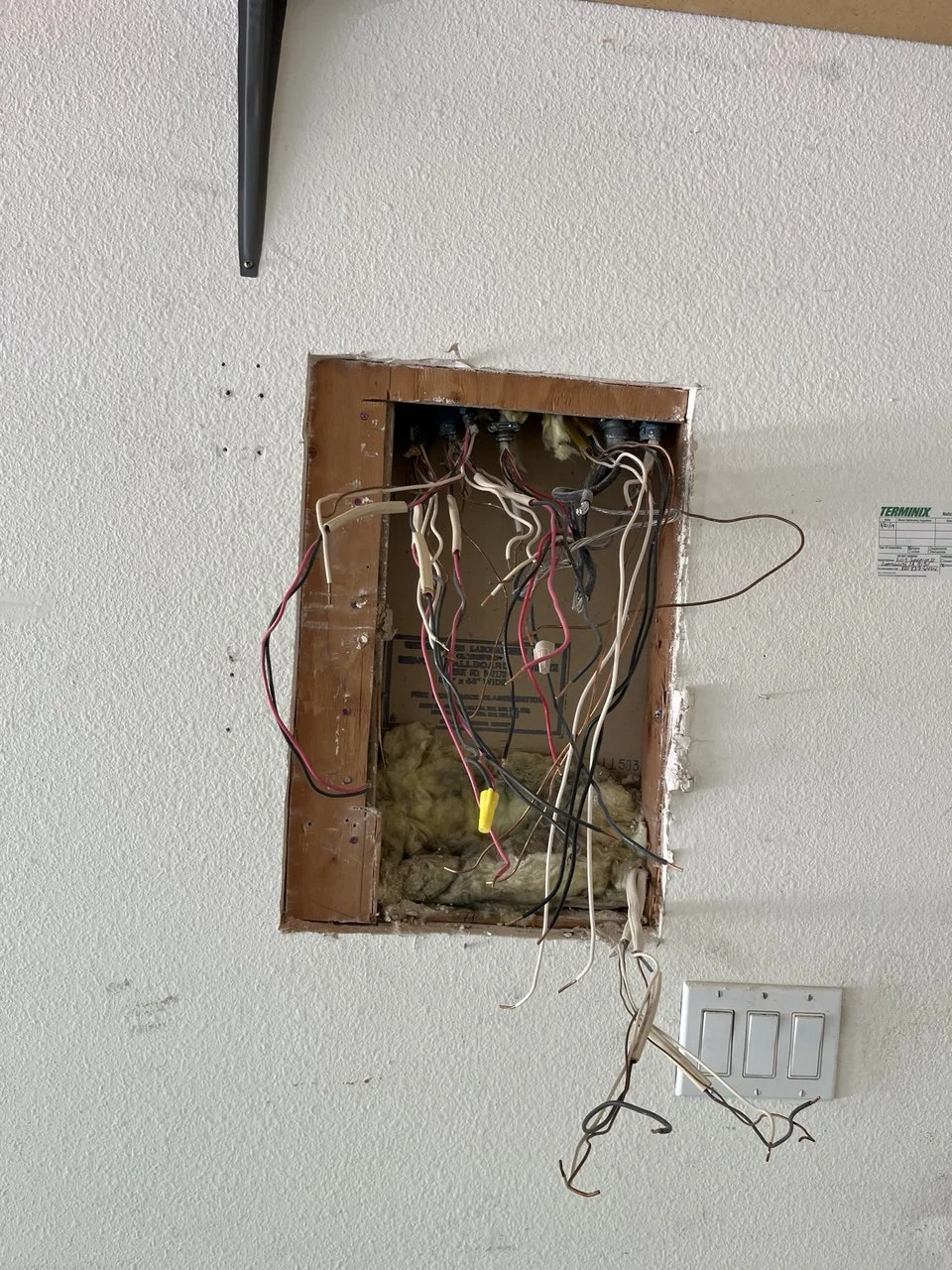
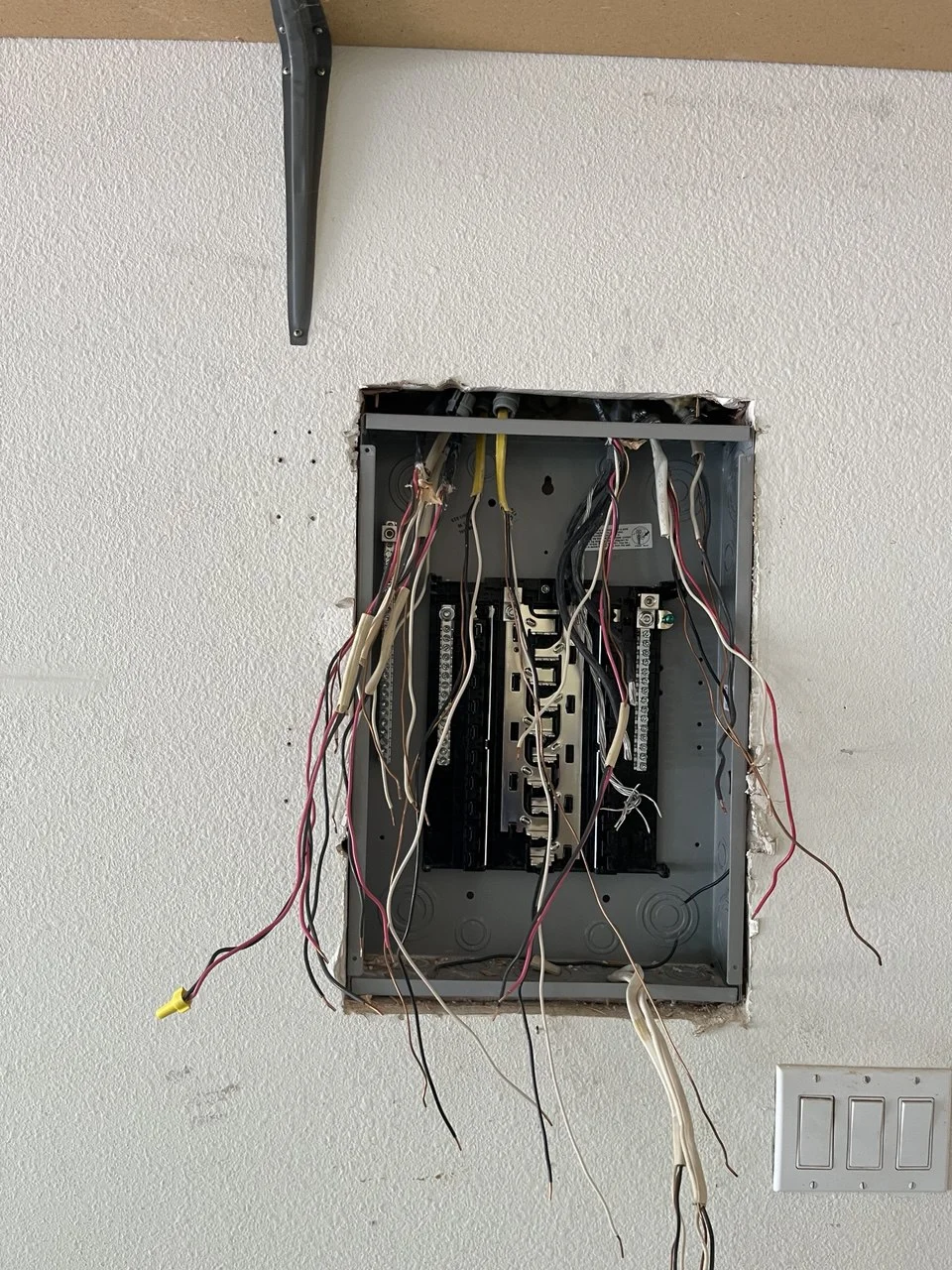
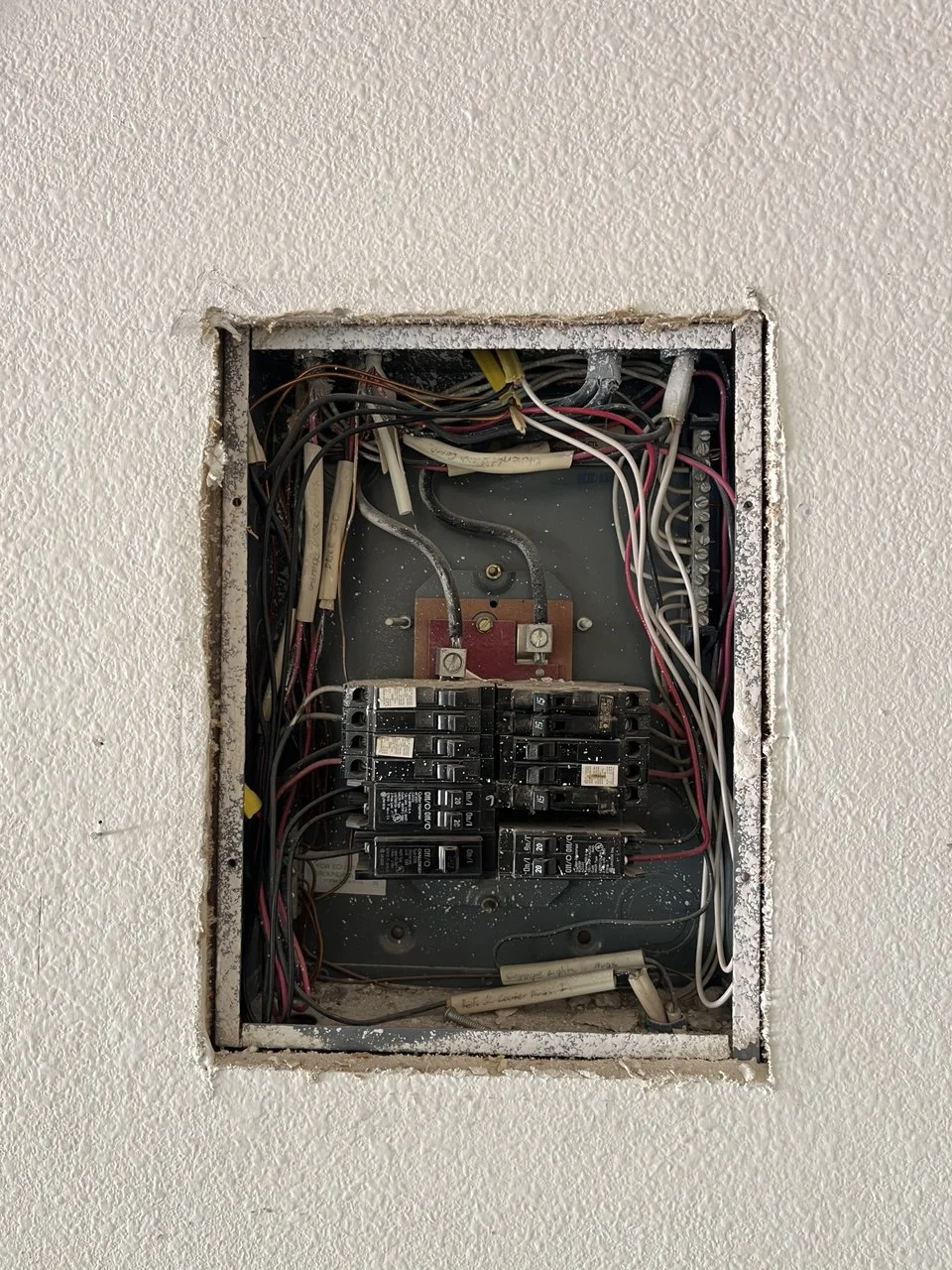
- Visible damage such as scorch marks, melted insulation, corrosion, or water intrusion
- Buzzing, crackling, or unusual sounds coming from the panel
- Lights dimming or brightening when large appliances start operating
If any of these conditions are present, avoid opening or working inside the panel yourself. Turn off affected circuits if it is safe to do so and schedule a professional inspection.
Electrical Panel Repair in Los Angeles
If your panel has warm breakers, buzzing sounds, burning smells, rust, loose connections, repeated trips, or a main breaker that will not reset safely, Farashi Electric provides electrical panel repair in Los Angeles for homes that need safe troubleshooting before deciding on repair or replacement.
Our licensed electricians inspect the panel, breakers, bus condition, grounding, bonding, visible heat damage, moisture issues, and service capacity. We explain whether a targeted electric panel repair is enough or if a panel replacement or upgrade is the safer long-term option.
After the inspection, we clearly explain whether a targeted electric panel repair is the appropriate solution or if a panel replacement or upgrade would provide better long-term safety, reliability, and code compliance.
Call for Panel RepairElectrical Panel Repair in LA Prices
The cost of electrical panel repair in la can vary significantly depending on the condition of the panel, the parts required, labor involved, and whether utility coordination or permits are needed. Every repair is different, which is why an on-site evaluation often provides the most accurate pricing.
Scope of Repair & Replacement Parts
One of the biggest factors affecting cost is the extent of the repair itself.
Common examples include:
- Replacing a single breaker or correcting a loose termination, which is typically a more straightforward repair
- Repairing damaged bus stabs, corroded lugs, moisture-related issues, or heat-damaged components, which generally require more labor and inspection
- Sourcing brand-specific replacement parts for older or discontinued panels, which can sometimes make panel replacement the more practical option
Access & Code-Related Corrections
Some repairs involve more than replacing a component.
Additional work may include:
- Creating proper working clearance around the panel
- Correcting grounding and bonding deficiencies
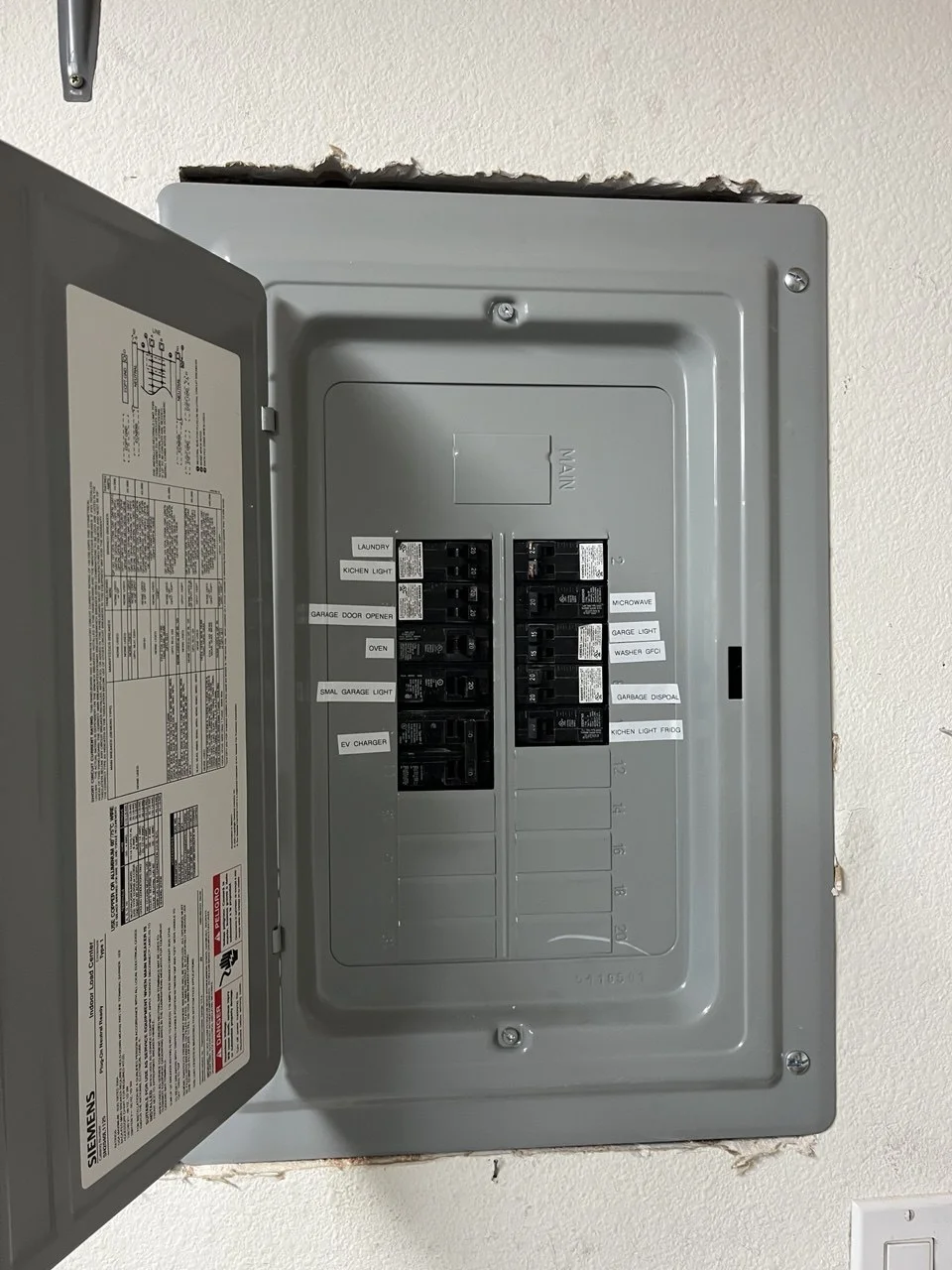
- Updating panel labeling for safety and code compliance
- Adding GFCI, AFCI, or whole-home surge protection while work is already being performed
Addressing these items during the repair can improve safety and help prevent future electrical issues.
Utility Coordination & Permit Requirements
Certain panel repairs require additional coordination beyond the panel itself.
Examples may include:
- Utility meter removal and reinstallation
- Temporary service shutdowns
- Required inspections and permit approvals
Proper permits help ensure the work is completed according to code requirements and remains fully documented for insurance and future property transactions.
A Better Way to Compare Estimates
When reviewing proposals, ask for a detailed estimate that separates:
- Labor
- Materials and replacement parts
- Permit fees
- Utility-related costs
This level of transparency makes it easier to compare options and understand exactly where your investment is going. It’s the same straightforward approach Farashi Electric uses when discussing Panel Upgrade Cost in Los Angeles.
Repair vs. Upgrade
Not every panel problem requires a complete replacement. In many cases, a targeted repair is the most practical and cost-effective solution.
Repair May Be the Right Choice When:
- The panel is from a safe, currently supported manufacturer
- Damage is limited to a specific breaker or component
- The electrical service still provides enough capacity for the home’s current and near-future needs
- The overall panel remains in good condition
An Upgrade May Be the Better Investment When:
- Heat damage, arcing, or recurring electrical issues continue to return
- The panel is obsolete, unsafe, or difficult to service
- The home is adding major electrical loads such as an EV charger, heat pump, spa, or ADU
- There is no available space for additional circuits
Understanding Your Upgrade Options
If repair is no longer the safest or most cost-effective option, Farashi Electric can walk you through several replacement paths, including:
- Standard electrical panel replacement
- Service upgrades
- Subpanel installations
- Meter-main combinations when appropriate for the property’s layout and inspection requirements
Our goal is to recommend the option that makes the most sense for your home’s safety, future electrical needs, and budget—not simply the largest project.
For a more detailed overview of planning, load calculations, permits, and installation considerations, see How to Do a Panel Upgrade.
Realistic Timeline for Electrical Panel Repair
One of the most common questions homeowners ask is, “How long will the repair take?” The answer depends on the condition of the panel, the availability of parts, and whether permits or utility coordination are required.
Emergency Stabilization
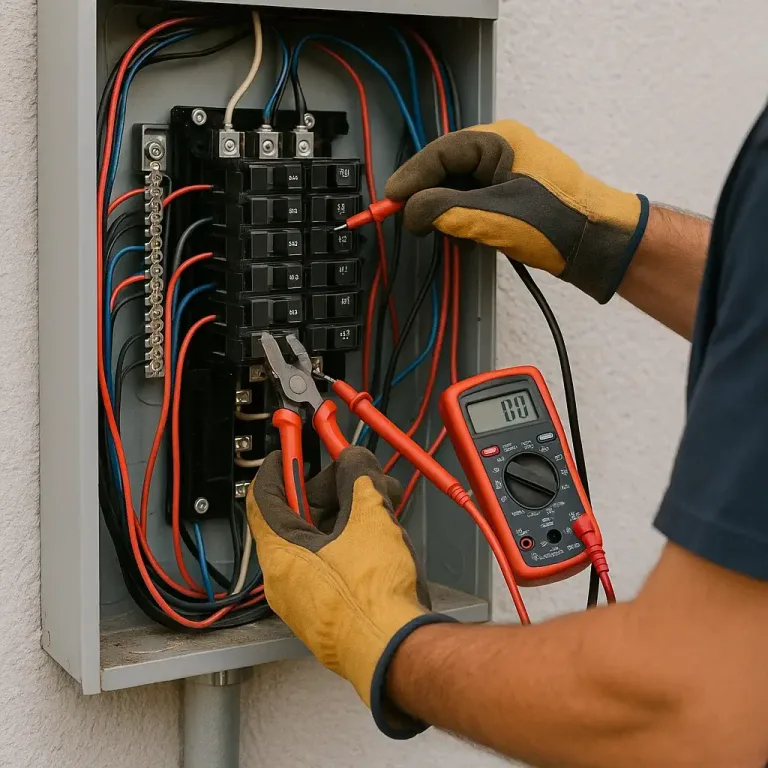
When conditions allow, we can often perform same-day emergency stabilization to restore safety and prevent further damage. This may include:
- Isolating hazardous circuits
- Replacing failed breakers or damaged lugs
- Securing loose electrical connections and terminations
- Addressing immediate safety concerns within the panel
The goal is to make the system safe while determining whether additional repairs are needed.
Parts, Permits & Final Repairs
For repairs that require permits, specialty parts, or additional inspections, the process is often completed within one to two business days.
This phase may include:
- Obtaining required permits
- Sourcing approved replacement components
- Completing the repair work
- Coordinating final inspections when necessary
Utility Coordination
Some situations require involvement from the utility provider.
Additional time may be needed when:
- The electrical meter must be temporarily removed
- Service equipment requires utility approval
- A scheduled service disconnect or reconnect is necessary
At Farashi Electric, we provide realistic scheduling expectations, clear communication, and regular updates so you always know what to expect throughout the repair process.
Safety, Code Compliance & Insurance Considerations
Electrical panel repairs should never focus solely on restoring power. Long-term safety, code compliance, and proper documentation are equally important.
Approved Components Matter
All breakers and replacement components should be properly listed and approved for the specific panel being serviced. Using incompatible parts can create safety issues and may affect future inspections.
Moisture & Corrosion Must Be Addressed
If water intrusion, corrosion, or rust is present, the source of the problem should be corrected before any repair can be considered reliable. Otherwise, the same issues are likely to return.
Heat Is a Warning Sign
Visible heat damage or unusual temperature patterns inside a panel often indicate deeper problems such as:
- Loose electrical terminations
- Failing breakers
- Damaged bus bars
- Excessive electrical load
Identifying and correcting the root cause is just as important as replacing damaged components.
Documentation Protects Homeowners
Professional repairs should include clear documentation whenever appropriate, such as:
- Before-and-after photos
- Updated circuit labeling
- Permit records
- Inspection approvals
These records can be valuable for future homeowners, insurance providers, and property transactions.
A Quick DIY Reality Check
Electrical panels are not a good place for trial-and-error repairs.
Beyond the immediate risk of electrical shock, improper panel work can lead to:
- Increased fault current hazards
- Damage to appliances and electronics
- Hidden electrical defects
- Potential insurance complications if unapproved work is discovered
If you’re comfortable working on home projects, the safest way to help is through preparation rather than repair.
Before your appointment, consider:
- Clearing access to the electrical panel
- Identifying circuits you already know
- Taking clear photos of the panel and breaker layout
- Making note of when the problem occurs and which circuits are affected
This information can help speed up diagnosis and make the service visit more efficient.
Bahram Farashi
C-10 Licensed Electrician (CA Lic. #1102687) — 10+ years installing residential/commercial Electrical Services.
FAQs (direct answers)
In many situations, yes. A targeted repair is often less expensive than replacing an entire panel, especially when the issue is limited to a breaker, connection, or isolated component.
However, repair is not always the most cost-effective long-term solution. If replacement parts are obsolete, heat damage is widespread, corrosion is significant, or you’re planning to add major electrical loads, the cost of repeated repairs can quickly approach the cost of an upgrade.
Sometimes.
If the panel and electrical service are otherwise in good condition, it may be possible to create additional capacity by correcting improper double-tapped connections or installing a properly sized subpanel.
The right solution depends on the age, condition, available capacity, and overall safety of the existing equipment. A professional inspection is the best way to determine whether expansion is practical or if a larger upgrade makes more sense.
The timeline depends on the nature of the problem and whether permits or specialty parts are required.
In many cases:
- Emergency stabilization can be completed the same day when conditions allow
- Standard repairs are often completed within one to two business days
- More complex projects may require additional time for permitting, inspections, utility coordination, or parts procurement
Yes—provided the repair is completed according to current safety and code requirements.
A properly completed repair typically includes:
- Approved, listed replacement parts
- Correct grounding and bonding
- Proper circuit identification and labeling
- Permit approval when required by local regulations
- Compliance with applicable electrical codes